In the immersive world of gaming, hours can fly by as you delve into virtual realms, battle foes, and conquer quests. Yet, this dedication often comes at a cost: digital eye strain. The intense blue light emitted from screens can lead to discomfort, fatigue, and even disrupt your sleep, diminishing both your gaming performance and overall well-being. Investing in the best blue light gaming glasses offers a crucial solution, shielding your eyes from harmful wavelengths while enhancing visual clarity, comfort, and focus for those marathon sessions.
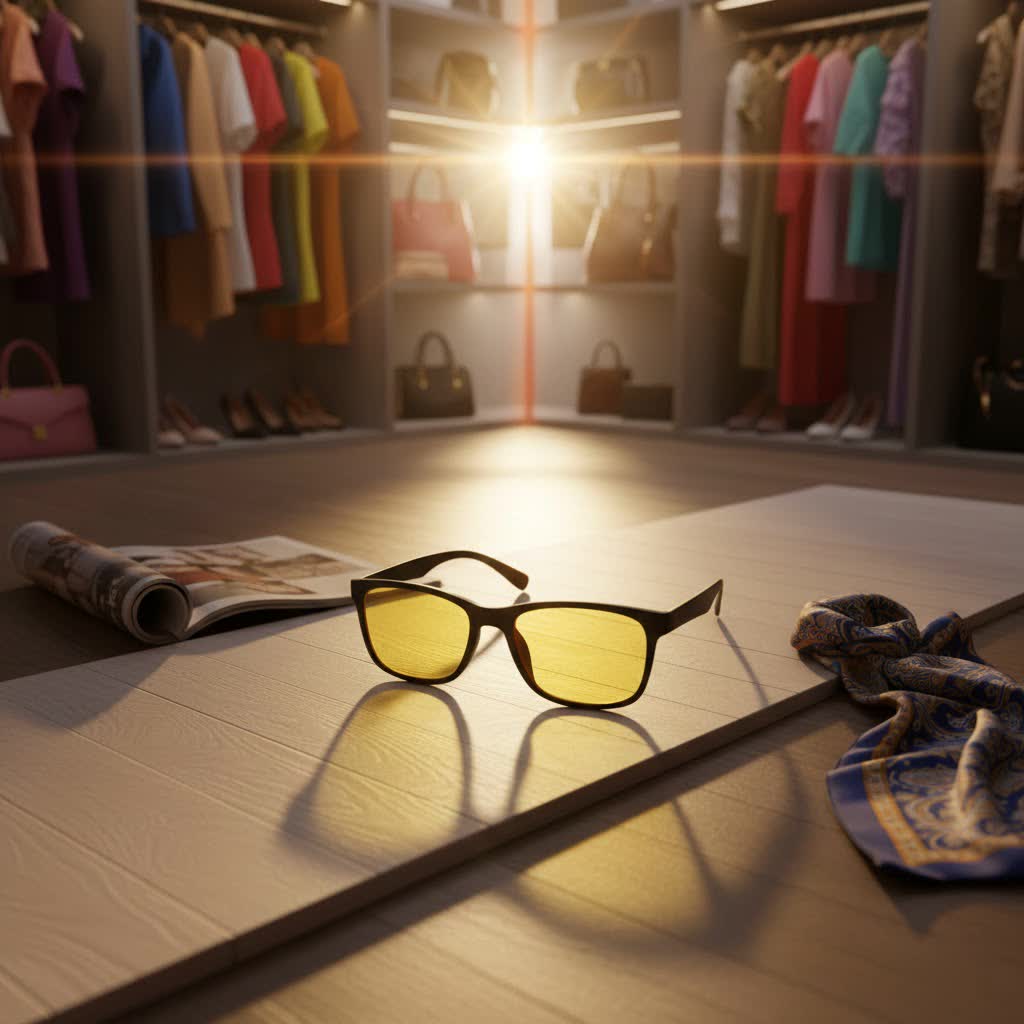
Gaming Glasses: Your Essential Eye Protection for Digital Worlds
What Are Blue Light Gaming Glasses?
|
Our Picks for the Best Gaming Glasses in 2026
As an Amazon Associate I earn from qualifying purchases.
|
||
| Num | Product | Action |
|---|---|---|
| 1 | Blue Light Blocking Glasses - Fashion Square Eyeglasses, Anti UV Ray Computer Gaming Glasses Blue Blockers for Women/Men |

|
| 2 | ANYLUV Blue Light Blocking Glasses Men Computer Gaming Glasses Lightweight Al-Mg Metal Anti Eyestrain Eye Protection |
|
| 3 | ANYLUV Blue Light Blocking Glasses Men Computer Gaming Glasses Lightweight Al-Mg Metal Anti Eyestrain Eye Protection |
|
| 4 | Horus X • Blue Light Glasses Men Women - Blue Light Blocking Glasses for Screen Anti-Fatigue Eye Migraine - Gaming Glasses V3 |
|
| 5 | ANYLUV Blue Light Blocking Glasses Men Computer Gaming Glasses Lightweight Al-Mg Metal Anti Eyestrain Eye Protection |
|
| 6 | Blue Light Blocking Glasses - Fashion Square Eyeglasses, Anti UV Ray Computer Gaming Glasses Blue Blockers for Women/Men |
|
| 7 | Blue Light Blocking Glasses - Fashion Square Eyeglasses, Anti UV Ray Computer Gaming Glasses Blue Blockers for Women/Men |
|
| 8 | ANYLUV Blue Light Blocking Glasses Men Computer Gaming Glasses Lightweight Al-Mg Metal Anti Eyestrain Eye Protection |
|
| 9 | Blue Light Blocking Glasses - Fashion Square Eyeglasses, Anti UV Ray Computer Gaming Glasses Blue Blockers for Women/Men |
|
| 10 | Blue Light Blocking Glasses - Fashion Square Eyeglasses, Anti UV Ray Computer Gaming Glasses Blue Blockers for Women/Men |
|
Blue light gaming glasses are specialized eyewear meticulously engineered to filter out specific wavelengths of blue light emanating from digital screens, including monitors, TVs, and mobile devices. These glasses typically feature lenses with a special coating or tint that blocks or absorbs a portion of the blue light spectrum, particularly the 450-460nm range, which is most prevalent from consumer electronics.
The concept of protective eyewear for screen use has evolved significantly. Initially, general computer glasses aimed to reduce glare and optimize viewing distances. However, with growing awareness of blue light’s impact, gaming glasses have emerged as a distinct category, focusing on both optical protection and performance enhancement tailored for the unique demands of competitive and casual gaming. Their primary application is to create a more comfortable visual experience and mitigate the adverse effects of prolonged screen exposure.
Why Gamers Need Blue Light Glasses
Gamers spend countless hours in front of screens, making them particularly susceptible to digital eye strain. Blue light glasses offer a multi-faceted approach to combat these issues, providing significant benefits for both health and performance.
Health Benefits: Prolonged exposure to blue light and the sustained focus required for gaming can lead to a range of symptoms collectively known as digital eye strain or computer vision syndrome. These include dry, irritated eyes, blurry vision, headaches, and neck pain. Blue light glasses help reduce this strain by filtering out harsh light, making the screen appear softer and less fatiguing. While the scientific community has mixed evidence on blue light’s direct damage to eyesight, the American Academy of Ophthalmology acknowledges that sustained screen time can cause eye strain, which these glasses effectively alleviate. Additionally, blue light, especially in the evening, can interfere with the body’s natural production of melatonin, the sleep hormone. By reducing blue light exposure before bed, these glasses may contribute to improved sleep patterns.
Performance Benefits: Beyond health, blue light gaming glasses can noticeably enhance your in-game performance. Many users report improved contrast and reduced glare, which can make it easier to distinguish details in dark areas or identify opponents in fast-paced games. The filtered light can also aid in maintaining focus for longer durations, preventing the mid-session fatigue that often impacts decision-making and reaction times.
Experience Benefits: Ultimately, blue light gaming glasses aim to make your gaming experience more comfortable and enjoyable. By minimizing eye strain and discomfort, you can play for extended periods without feeling the need for frequent breaks. This translates to more immersive gameplay, greater consistency, and a more satisfying overall experience.
Understanding Popular Blue Light Gaming Glasses Types
Navigating the market for blue light gaming glasses means understanding the core technologies and design choices available. The primary distinctions lie in lens technology and frame design, each offering unique advantages.
Lens Technology: Tinted vs. Clear
The effectiveness and visual experience of blue light gaming glasses largely depend on their lens technology, particularly the level of tint and specialized coatings.
Tinted Lenses: These lenses, often yellow or amber, are designed to block a higher percentage of blue light. The increased filtration significantly reduces eye strain and is particularly beneficial for evening gaming sessions where disrupting circadian rhythm is a concern. For instance, Gunnar Amber lenses can block around 50% of the blue light spike from screens.
- Pros: Highly effective at blocking blue light, significantly reduces eye strain, can aid sleep.
- Cons: Introduces color distortion, making colors appear warmer or yellowish, which can be a disadvantage in games where color accuracy is critical.
Clear Lenses: Clear blue light lenses feature a subtle blue-blocking film or coating that filters blue light without noticeable color distortion. These are preferred by gamers who require accurate color representation for competitive play or graphic-intensive games. While they block less blue light than tinted lenses (e.g., Gunnar Clear blocks around 17.3%), they offer a good balance between protection and visual fidelity.
- Pros: Minimal to no color distortion, suitable for color-critical tasks and gaming, more aesthetically “normal.”
- Cons: Blocks less blue light compared to tinted options, may offer less relief for severe eye strain.
Specialized Coatings: Beyond the tint, various lens coatings enhance functionality and durability.
- Anti-glare and Anti-reflective coatings are crucial for gamers, minimizing reflections from screen light and ambient room lighting, which can further reduce eye strain.
- Scratch-resistant coatings protect the lenses from everyday wear and tear, extending the lifespan of your glasses.
- Some lenses also offer UV protection, and certain brands, like Zenni Blokz, provide photochromatic (transition) lenses that darken in sunlight, offering versatility.
- Anti-fatigue lenses may include a slight magnification in the lower part of the lens to further ease eye effort.
Frame Styles and Features for Gamers
While lens technology is paramount, the frame’s design and features are equally important for comfort during long gaming sessions.
Comfort and Compatibility with Headsets: For gamers who wear headsets, lightweight frames with thin temples (arms) are essential. This design prevents pressure points behind the ears and ensures comfort, even after hours of wear. Many gaming-specific brands prioritize this ergonomic consideration.
Material and Durability: Frames come in various materials, including lightweight plastics, durable metals, and flexible composites. Choosing a robust material ensures your glasses can withstand the rigors of frequent use and occasional drops.
Fit and Style: The frame should fit securely without pinching or slipping. While personal style is subjective, many brands offer a range of aesthetic options, from sleek and modern to classic designs. Whether you prefer full-frame, half-frame, or rimless, ensure the design doesn’t obstruct your field of view during intense gameplay.
Prescription Options: For gamers with existing vision impairments, the availability of prescription blue light filtering lenses is a critical feature. Leading brands like Gunnar, Zenni, and Warby Parker offer options to integrate blue light protection into your corrective eyewear.
Top Blue Light Gaming Glasses Brands Reviewed
The market offers a diverse range of blue light gaming glasses, each with unique strengths. Here’s a detailed look at some of the most popular and effective brands.
Detailed Comparison of Leading Brands
Here’s a comparison of some notable brands that excel in blue light filtration for gaming:
| Brand | Lens Types (Blue Light Blockage) | Key Features | Price Range (Approx.) | Ideal For |
|---|---|---|---|---|
| Gunnar | Clear (35%), Amber (65%), Transition | Gaming-focused design, thin temples, prescription options, Gunnar-Focus/Natural-Focus | $50 – $175+ | Serious gamers needing high protection & comfort |
| Zenni Blokz | Blokz (38.3%), Blokz Plus, EyeQLenz (blue + infrared) | Very affordable, extensive frame styles, prescription, photochromatic | $25 – $100+ | Budget-conscious gamers, prescription users |
| Jins Screen | Daily Use (25%), Heavy Use (40%), Blue Light Invincible (12%) | Stylish Japanese frames, various blocking levels, three-layer coating | $100 – $300+ | Everyday users, those prioritizing style |
| Horus X | Clear (19.9%) | High blocking for clear lenses, good value | $30 – $60 | Gamers needing clear lenses with good protection |
| Ocushield | Clear (14.1%) | Best color rendering for clear lenses | $70 – $120 | Color-sensitive work/gaming, minimal distortion |
| Swanwick Day | Tinted (26.3%) | Best color accuracy for tinted lenses, noticeable reduction | $80 – $150 | Balanced protection and color perception |
Gunnar: Widely regarded as a pioneer in gaming glasses, Gunnar offers models specifically designed for gamers. Their Amber lenses are particularly effective, blocking up to 65% of blue light, making them excellent for reducing strain during intense, long gaming sessions. Their Clear lenses block around 35%, providing a good balance for those who need more color accuracy. Gunnar also provides prescription options and features like “Gunnar-Focus” for slight magnification or “Natural-Focus” for no magnification, catering to individual visual needs. Their frames are often designed with thin temples to comfortably fit under gaming headsets.
Zenni Blokz: For gamers seeking an affordable yet effective solution, Zenni Blokz is a strong contender. Zenni is known for its extensive range of inexpensive frames and customizable lenses, including their Blokz blue light filtering technology. Blokz lenses start at a very competitive price, and their Blokz Plus offers good blue light blocking (around 38.3%) with decent color accuracy. They also offer photochromatic options and EyeQLenz which filters both blue and infrared light. This makes Zenni an excellent choice for prescription users or those on a budget who still want reliable protection.
Jins Screen: A Japanese eyewear company, Jins offers several blue light lens treatments: Jins Screen Daily Use (25% block), Heavy Use (40% block), and Blue Light Invincible (12% block). Their lenses feature a three-layer coating designed for resilience against scratches, reduced glare, and less dust attraction. While generally pricier, Jins provides stylish frames and quality optics for everyday screen users and gamers who appreciate Japanese craftsmanship.
Horus X, Ocushield, and Swanwick Day: These brands are noteworthy for their specific strengths in clear and lightly tinted categories. Horus X provides a high blue light blocking percentage for a clear lens (19.9%), though it may slightly affect color rendering. Ocushield stands out for having the best color rendering among effective clear blue blockers, making it suitable for tasks where color accuracy is paramount. Swanwick Day, with its lightly tinted lenses blocking 26.3% of blue light, offers a good compromise for those who want noticeable blue light reduction with minimal color distortion.
> “The real value of blue light blocking glasses for gamers lies in their ability to relieve eye strain and enhance visual comfort, allowing for longer, more focused play sessions.” – Will Greenwald, Principal Writer, Consumer Electronics at PCMag
Your Ultimate Buying Guide: Choosing the Best Gaming Glasses
Selecting the perfect pair of blue light gaming glasses involves considering your personal gaming habits, visual needs, and preferences. A thoughtful approach ensures you get the most out of your investment.
Assess Your Gaming Habits & Needs
Before diving into specifications, take a moment to understand your unique usage patterns. This will significantly narrow down your options.
- What type of games do you play? If you play competitive games like FPS or MOBAs where color accuracy is crucial (e.g., distinguishing team colors, enemy indicators), clear or lightly tinted lenses that minimize color distortion will be ideal. For casual gaming or RPGs where immersion is key and color accuracy is less critical, more heavily tinted lenses might be acceptable for maximum blue light reduction.
- How long do you play each day? If your gaming sessions are prolonged (several hours daily), a higher blue light blocking percentage and robust anti-fatigue features might be more beneficial. For shorter sessions, a lighter filter could suffice.
- Do you have existing vision issues (e.g., nearsightedness, astigmatism)? If you wear prescription glasses, look for brands that offer blue light filtering options for prescription lenses. This avoids the need to wear one pair over another.
- What is your budget? Prices vary widely. Determine how much you’re willing to spend, keeping in mind that higher-end models often offer superior lens technology, frame quality, and additional features.
Selecting the Right Lens
The lens is the heart of your blue light gaming glasses. Pay close attention to its characteristics.
- Blue Light Blocking Percentage: Match the blocking level to your needs. For general use and minimal color distortion, clear lenses blocking 10-25% may be enough. For heavy gaming, especially in the evening, tinted lenses blocking 40-65% will provide more significant relief. Remember the trade-off: more blocking often means more color distortion.
- Tint Preference: Decide between clear lenses for true-to-life colors and tinted (yellow/amber) lenses for maximum blue light reduction. Some gamers find the warm tint of amber lenses soothing.
- Essential Coatings: Always prioritize lenses with anti-glare, anti-reflective, and scratch-resistant coatings. These enhance clarity, reduce distracting reflections, and prolong the life of your glasses. UV protection is also a valuable addition.
- Prescription vs. Plano: If you have a prescription, ensure the brand can incorporate it into blue light filtering lenses. Otherwise, plano (non-prescription) lenses are suitable.
Finding the Perfect Frame
Comfort and fit are paramount, especially when worn for hours on end with a headset.
- Frame Material: Look for lightweight yet durable materials like TR90 plastic, acetate, or titanium alloys. These offer comfort without sacrificing longevity.
- Fit and Comfort: The glasses should sit comfortably on your nose and ears without causing pressure points. Crucially for gamers, choose frames with thin temples that won’t interfere with the seal or comfort of your gaming headset. Adjustable nose pads can also enhance fit.
- Style: While functional, the aesthetic appeal of your glasses matters. Many brands offer a variety of styles, from sporty and modern to classic and understated. Choose a design that you feel confident wearing.
- Size: Ensure the frame size is appropriate for your face to prevent slippage or a too-tight fit.
Where to Purchase Your Gaming Glasses
Once you’ve decided on the type of gaming glasses that best suit your needs, the next step is to choose where to buy them. Both online retailers and specialized optical stores offer distinct advantages.
Online Retailers vs. Specialized Opticians
The rise of e-commerce has made purchasing eyewear more convenient than ever, but traditional stores still offer unique benefits.
Online Retailers:
- Advantages: Online platforms like Zenni Optical, Amazon, and direct-to-consumer brand websites (e.g., Gunnar, Jins) offer unparalleled convenience, a vast selection, and often competitive pricing. Many provide virtual try-on tools or home try-on programs (like Warby Parker) to help you visualize how frames look. It’s also easy to compare prices and read user reviews.
- Disadvantages: The main drawback is the inability to physically try on the glasses or assess the lens quality in person before purchase. This can be challenging for ensuring a perfect fit, especially for headset compatibility, or judging the degree of tint/color distortion. Quality can also vary significantly among less-known online brands.
Specialized Optical Stores:
- Advantages: Professional opticians can provide expert advice on lens technology, frame fit, and prescription needs. You can physically try on various frames, experience the lens tint firsthand, and get personalized recommendations. This ensures a precise fit and confidence in quality, particularly for prescription lenses.
- Disadvantages: Typically, prices are higher than online retailers due to overhead costs and personalized service. The selection might also be more limited compared to the vast inventories found online.
Whether you choose the convenience of online shopping or the personalized service of an optical store, prioritize reputable vendors and read customer reviews to ensure a satisfactory purchase.
Conclusion
Investing in the best blue light gaming glasses is a smart decision for any dedicated gamer. By actively filtering harmful blue light and reducing glare, these glasses can significantly alleviate digital eye strain, prevent headaches, and potentially improve sleep patterns. More importantly, they enhance your gaming experience by sharpening visual clarity, boosting contrast, and allowing for longer, more comfortable sessions without compromising your eye health.
Remember to consider the crucial factors of lens technology—balancing blue light blocking with color accuracy—along with frame comfort, especially when paired with a gaming headset. With a variety of trusted brands offering specialized solutions, from Gunnar’s high-blocking amber lenses to Zenni Blokz’s affordable prescription options, there’s a perfect pair out there to meet every gamer’s needs. Don’t let eye strain hold you back; upgrade your gear and play smarter. What improvements have you noticed in your gaming experience after switching to blue light glasses?
Frequently Asked Questions
Do blue light gaming glasses really work to prevent eye damage?
While the American Academy of Ophthalmology states that blue light from screens does not directly damage your eyesight, blue light gaming glasses are effective in reducing digital eye strain, dryness, and headaches associated with prolonged screen use. They make the light appear less harsh and more soothing for your eyes.
What’s the main difference between clear and tinted blue light glasses for gaming?
Clear lenses block less blue light (around 10-35%) but maintain color accuracy, ideal for competitive gaming where precise color perception is critical. Tinted lenses, typically yellow or amber, block a higher percentage of blue light (40-65%), offering greater eye strain relief and better sleep benefits, but introduce some color distortion.
Can I get prescription blue light gaming glasses?
Yes, many leading brands like Gunnar, Zenni Blokz, and Warby Parker offer options to integrate blue light filtering technology into your prescription lenses. This allows you to combine your corrective vision with eye protection, eliminating the need for multiple pairs of glasses.
How much blue light should gaming glasses block for optimal protection?
The ideal percentage depends on your usage. For general screen use, 10-25% blocking with clear lenses is often sufficient. For intense or evening gaming, a higher blocking percentage of 40-65% from tinted lenses is recommended to maximize strain relief and minimize sleep disruption, though it may affect color perception.
Are blue light glasses only beneficial for gamers?
While highly advantageous for gamers due to prolonged screen exposure, blue light glasses are beneficial for anyone who spends significant time in front of digital screens, including office workers, students, and digital artists. They help reduce digital eye strain symptoms for a wide range of users.
How often should I wear my gaming glasses?
You should wear your blue light gaming glasses whenever you are engaged in prolonged screen-time activities, whether gaming, working, or browsing. Consistent use during these periods will provide the most benefit in reducing eye strain and improving visual comfort.
What is the 20-20-20 rule and how does it help with eye strain?
The 20-20-20 rule is a simple guideline: every 20 minutes, look at something 20 feet away for at least 20 seconds. This practice helps to relax your eye muscles and reduce eye strain caused by continuous focus on a close-up screen. It’s an excellent habit to combine with wearing blue light glasses.
