Spending hours immersed in virtual worlds can be thrilling, but the intense focus on digital screens can take a toll on your eyes. If you’ve ever experienced tired eyes, headaches, or blurred vision after a marathon gaming session, you’re not alone. The constant bombardment of blue light and screen glare can lead to digital eye strain, impacting not only your comfort but also your in-game performance. This comprehensive guide will help you navigate the world of computer gaming glasses, revealing how these specialized eyewear can protect your vision, enhance your gameplay, and ensure you stay at the top of your game, comfortably.
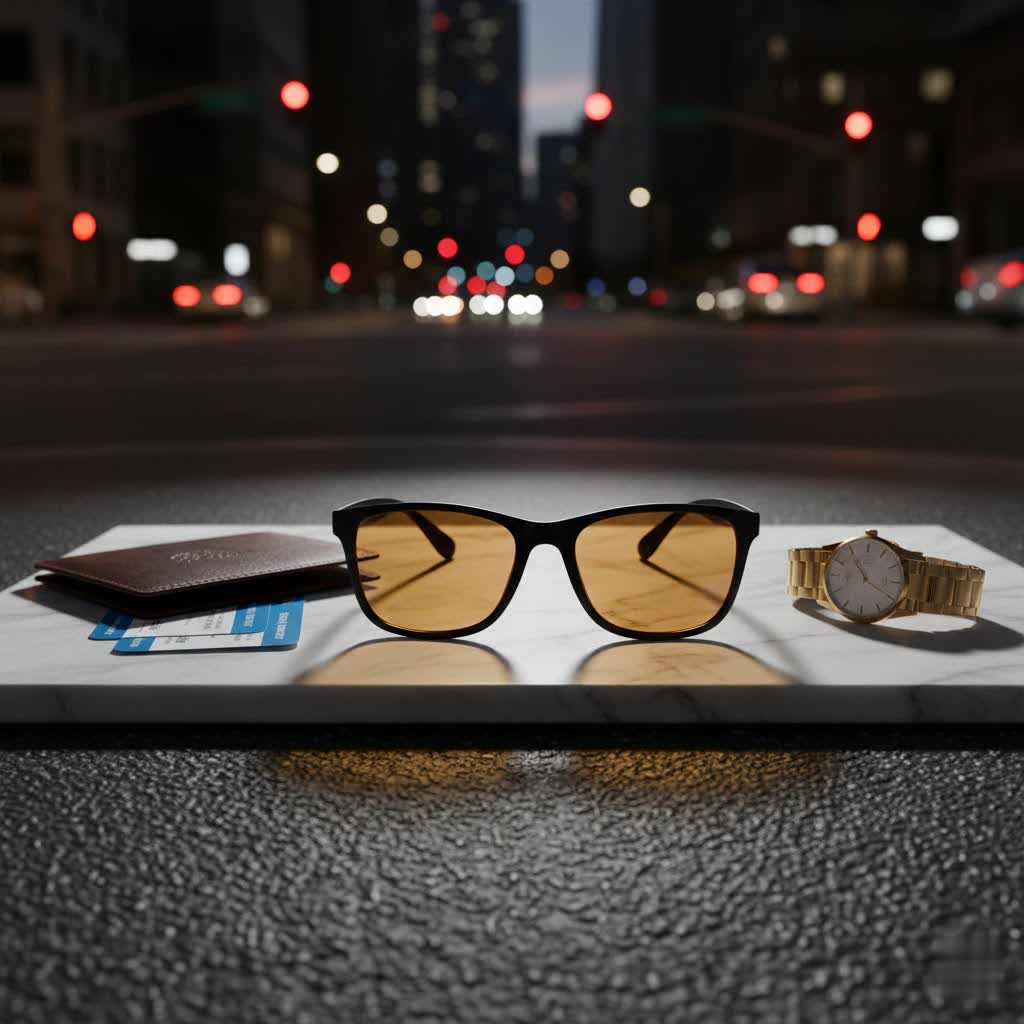
Gaming Glasses: All You Need to Know
Gaming glasses are more than just a stylish accessory; they are a crucial piece of gear designed to optimize visual comfort and performance during extended screen time. These specialized glasses feature advanced lens technologies that actively work to mitigate the negative effects of digital displays, particularly the high-energy visible (HEV) blue light and distracting glare. Their development stems from a growing awareness of computer vision syndrome (CVS) among gamers and computer users, aiming to provide a protective barrier and an enhanced visual experience.
What are Gaming Glasses?
|
Our Picks for the Best Gaming Glasses in 2026
As an Amazon Associate I earn from qualifying purchases.
|
||
| Num | Product | Action |
|---|---|---|
| 1 | Blue Light Blocking Glasses - Fashion Square Eyeglasses, Anti UV Ray Computer Gaming Glasses Blue Blockers for Women/Men |

|
| 2 | Blue Light Blocking Glasses - Fashion Square Eyeglasses, Anti UV Ray Computer Gaming Glasses Blue Blockers for Women/Men |
|
| 3 | Blue Light Blocking Glasses - Fashion Square Eyeglasses, Anti UV Ray Computer Gaming Glasses Blue Blockers for Women/Men |
|
| 4 | ANYLUV Blue Light Blocking Glasses Men Computer Gaming Glasses Lightweight Al-Mg Metal Anti Eyestrain Eye Protection |
|
| 5 | Horus X • Blue Light Glasses Men Women - Blue Light Blocking Glasses for Screen Anti-Fatigue Eye Migraine - Gaming Glasses V3 |
|
| 6 | ANYLUV Blue Light Blocking Glasses Men Computer Gaming Glasses Lightweight Al-Mg Metal Anti Eyestrain Eye Protection |
|
| 7 | ANYLUV Blue Light Blocking Glasses Men Computer Gaming Glasses Lightweight Al-Mg Metal Anti Eyestrain Eye Protection |
|
| 8 | Blue Light Blocking Glasses - Fashion Square Eyeglasses, Anti UV Ray Computer Gaming Glasses Blue Blockers for Women/Men |
|
| 9 | ANYLUV Blue Light Blocking Glasses Men Computer Gaming Glasses Lightweight Al-Mg Metal Anti Eyestrain Eye Protection |
|
| 10 | Blue Light Blocking Glasses - Fashion Square Eyeglasses, Anti UV Ray Computer Gaming Glasses Blue Blockers for Women/Men |
|
Gaming glasses are eyewear specifically engineered to address the unique visual demands and challenges faced by individuals who spend significant time in front of computer monitors and digital screens. At their core, these glasses incorporate lenses with proprietary coatings and tints that primarily target harmful blue light wavelengths and reduce glare. Unlike regular eyeglasses, gaming glasses are designed with features like ergonomic frames for headset compatibility and lens technologies that boost contrast, making on-screen details clearer. They represent a blend of optical science and gaming-specific needs, evolving from simple blue light filters to sophisticated systems that enhance visual acuity and comfort.
Why Should You Use Gaming Glasses?
The benefits of incorporating gaming glasses into your setup extend beyond simple eye protection, touching upon health, performance, and overall gaming experience. Prolonged exposure to digital screens without proper eye care can lead to a host of issues, making gaming glasses a valuable investment for any serious or casual player.
- Health Benefits:
- Reduced Digital Eye Strain: Gaming glasses significantly lessen symptoms of Computer Vision Syndrome (CVS), such as dry eyes, headaches, blurry vision, and eye fatigue, by filtering blue light and reducing glare. “Blue light blocking glasses can help improve our sleep quality, which has a direct effect on our concentration during gaming!”
- Blue Light Protection: Screens emit high-energy blue light (typically between 400-450 nanometers), which can disrupt your circadian rhythm, leading to poor sleep, and may contribute to long-term eye health concerns like macular degeneration. Gaming glasses filter a substantial percentage of this harmful light.
- Performance Benefits:
- Enhanced Contrast and Clarity: Many gaming lenses feature subtle tints, often yellow or amber, which improve contrast and sharpen visual details. This can make it easier to spot enemies, read on-screen text, and react faster in fast-paced games.
- Reduced Glare: Anti-reflective coatings on gaming glasses virtually eliminate reflections from ambient light sources, minimizing distractions and allowing you to focus more intently on the game.
- Improved Focus: By reducing eye strain and increasing visual clarity, gaming glasses allow your eyes to work less strenuously, helping you maintain focus for longer durations without discomfort.
- Experience Benefits:
- Extended Playtime: With reduced eye fatigue and discomfort, you can enjoy longer, more comfortable gaming sessions.
- Better Sleep Quality: By filtering blue light, especially during evening play, gaming glasses help preserve your natural sleep cycle, leading to more restful sleep after you power down.
Popular Types of Gaming Glasses on the Market
The market offers a diverse range of gaming glasses, primarily differentiated by their lens technology and to a lesser extent, their frame designs, all tailored to meet varying gamer needs. Understanding these distinctions is key to selecting the pair that’s right for you.
By Lens Technology
The core of any gaming glass lies in its lenses. Modern gaming glasses employ sophisticated technologies to achieve their protective and performance-enhancing effects.
- Blue Light Filtering Lenses: These are the most common type. They come in various levels of blue light filtration and different tints:
- Clear Lenses: Offer moderate blue light filtration (e.g., 30-50%) with minimal color distortion. Ideal for competitive gamers who prioritize color accuracy and those who wear them all day.
- Yellow/Amber Tinted Lenses: Provide higher levels of blue light blocking (e.g., 60-85%). The tint significantly reduces eye strain and enhances contrast, making details pop on screen. While effective, they do alter color perception, which some competitive players might find disadvantageous in games where precise color cues are vital. “Yellow or amber-tinted lenses tend to be the best for gaming, as they not only filter out blue light, they also provide higher contrast.”
- Anti-Reflective (AR) Coatings: Applied to both sides of the lens, AR coatings eliminate distracting reflections and glare from screens and ambient light. This dramatically improves visual clarity and reduces strain.
- Contrast-Enhancing Lenses: Often found in conjunction with blue light filtering, these lenses use specific tints to boost color perception and visual sharpness, making objects and environments in games appear more defined.
- Scratch-Resistant and Anti-Fog Coatings: These practical additions enhance the durability and usability of the glasses, protecting against wear and tear and preventing fogging during intense gameplay.
- Prescription Gaming Lenses: For gamers who require vision correction, many brands offer gaming lenses that can be fitted with your specific prescription, combining corrective vision with blue light filtration and other gaming-specific benefits.
By Frame Design and Comfort Features
While lens technology is paramount, the frame design plays a critical role in comfort, especially during long gaming sessions. Gaming glasses frames are often designed with specific ergonomic considerations.
- Headset-Friendly Frames: Many gaming glasses feature slim, flexible temples (arms) that are designed to fit comfortably under gaming headsets without causing pressure points or discomfort around the ears. Materials like flexible nylon, TR90, or lightweight metal alloys are often used.
- Lightweight Materials: Frames are typically constructed from lightweight yet durable materials like polycarbonate, nylon, or high-quality acetate to minimize facial pressure, allowing you to wear them for hours without fatigue.
- Adjustable Components: Features such as adjustable nose pads and flexible hinges allow for a customized, secure, and comfortable fit for various face shapes and sizes.
- Full-Frame, Half-Frame, and Rimless: While less critical than comfort for gaming, these traditional frame styles are available.
- Full-Frame: Offers maximum durability and a strong aesthetic statement.
- Half-Frame: Lighter than full-frame, providing a balance of style and reduced weight.
- Rimless: The lightest option, offering an unobstructed field of view and minimal visual presence. However, they may be less durable.
Comparison Table of Renowned Gaming Glasses Brands
Choosing the best gaming glasses often comes down to brand reputation, specific features, and personal preference. Here’s a comparative look at some top brands known in the gaming eyewear space:
| Feature/Brand | Gunnar | Oakley | Horus X | HyperX |
|---|---|---|---|---|
| Key Strength | Pioneer in gaming eyewear, wide range | Premium performance, prescription options | High blue light filtration, affordable | Ergonomic for gamers, anti-reflective |
| Blue Light Filter | 35% (clear), 65% (amber), 85% (dark amber) | Prizm Gaming filters up to 40% blue-violet light | Up to 86% (Gaming 2.0), 50% (Casual 2.0) | Significant blue light protection (specific % varies by model) |
| Lens Tints | Clear, Amber, Yellow, Transition | Prizm Gaming (subtle tint, optimized for screens) | Clear (Ghost), Yellow (DayMax), Amber (Plasma) | Clear or slightly tinted |
| Special Coatings | Anti-reflective, scratch-resistant | Anti-reflective | Anti-reflective, scratch-resistant | Anti-reflective, UV protection |
| Frame Design | Ergonomic, headset-friendly, diverse styles | Lightweight O Matter™, NXTLVL designed for headsets | Lightweight (20-27g), slim temples for headsets | Signature comfort, durable, stylish |
| Prescription | Available | Available (Prizm Gaming prescription lenses) | Available for most models | Available |
| Notable Models | Intercept, Enigma, FPS by Razer | NXTLVL, Holbrook | Gaming 2.0, Urban Revolution, Casual 2.0 | HyperX Gaming Eyewear |
| Price Range | Mid to High | High | Affordable to Mid | Mid |
How to Choose the Right Gaming Glasses (Buying Guide)
Selecting the ideal pair of gaming glasses involves a thoughtful consideration of your individual needs, gaming habits, and optical requirements. It’s about finding the perfect balance between protection, performance, and comfort.
Determine Your Usage Needs
Before diving into specifications, reflect on how you game.
- What type of games do you play? For fast-paced, color-critical games (like FPS or MOBAs), minimal color distortion from clear or lightly tinted lenses might be crucial for accuracy. For immersive RPGs or strategy games, a stronger amber tint offering maximum comfort might be preferred.
- How long do you play each day? If you engage in long, marathon sessions, maximizing blue light filtration and overall comfort should be your top priority. For shorter, casual play, moderate protection might suffice.
- Do you have existing eye conditions? If you have prescription needs (myopia, astigmatism, etc.), ensure the gaming glasses are available with corrective lenses. Consult an optometrist, especially for complex prescriptions.
Select Appropriate Lenses
The lenses are the heart of gaming glasses, providing the crucial benefits.
- Blue Light Filtration Level: Consider the percentage of blue light blocked. Higher percentages (60%+) usually come with an amber or yellow tint, offering maximum protection and contrast. Lower percentages (30-50%) often mean clear lenses, ideal for color accuracy. Many brands specify filtration ranges, often targeting the most harmful 400-455nm spectrum.
- Lens Material: Look for durable and lightweight materials like polycarbonate or high-index plastic. These materials are impact-resistant and offer excellent optical clarity.
- Essential Coatings:
- Anti-Reflective (AR) Coating: Absolutely critical to minimize glare from your screen and room lighting.
- Scratch-Resistant Coating: Increases the lifespan of your glasses, protecting them from everyday wear.
- Anti-Fog Coating: Useful for intense gaming sessions where body heat might cause lenses to fog.
Choose the Right Frame
Comfort is king when it comes to eyewear you’ll wear for hours.
- Frame Material: Opt for lightweight and flexible materials such as nylon, TR90, or lightweight metals. These materials reduce pressure points and are more comfortable for extended wear.
- Style and Fit: While personal style is a factor, prioritize a frame that fits your face shape well and doesn’t pinch your nose or ears. Many online retailers offer virtual try-on tools, but an in-person fitting can ensure the best feel.
- Headset Compatibility: This is paramount for gamers. Look for frames with thin, flexible temples that can slide under a gaming headset without causing discomfort. Some brands specifically design their frames with this in mind.
- Size: Ensure the frame size is appropriate for your face. Too small, and it will be uncomfortable; too large, and it might slide or not cover your field of vision effectively.
Where to Buy Reliable Gaming Glasses?
Deciding where to purchase your gaming glasses can impact not only the price but also the level of service and confidence in your purchase. Both online platforms and professional optical stores offer distinct advantages.
Professional Optical Stores
- Pros:
- Expert Consultation: Opticians can provide personalized advice based on your vision needs, face shape, and gaming habits, ensuring a precise fit and appropriate lens selection.
- Accurate Fittings: In-store visits allow you to try on various frames, assess comfort, and get accurate measurements for prescription lenses.
- After-Sales Service: Local shops often offer adjustments, repairs, and comprehensive warranties, providing peace of mind.
- Quality Assurance: You can physically inspect the quality of frames and lenses before purchasing.
- Cons:
- Higher Price Point: Generally, glasses from optical stores can be more expensive due to overhead costs and personalized service.
- Limited Selection: Physical stores may have a smaller inventory compared to online retailers.
E-commerce Platforms
- Pros:
- Convenience and Variety: You can browse a vast selection of brands and styles from the comfort of your home, often with virtual try-on tools.
- Competitive Pricing: Online retailers frequently offer lower prices, discounts, and promotions, making them a budget-friendly option.
- User Reviews: Access to numerous customer reviews can help you make an informed decision.
- Cons:
- Lack of Personalized Fitting: Without in-person fitting, there’s a risk of improper fit or discomfort, especially for complex prescriptions. “If you prefer buying glasses online, you can expect to save time and money, but it is very likely the fit and performance will be imperfect.”
- Difficulty with Complex Prescriptions: High or complex prescriptions might be better handled by a professional optician for precise measurements.
- Limited After-Sales Support: While returns are usually possible, adjustments or repairs typically require a local optical shop.
> “Regardless of your path, it is essential to consult your local optical professional before deciding. That way, you can be sure that you’re getting the right pair of glasses and that they’re correctly fitted for your face.” – Dr. Michael Bell, Optometrist
Conclusion
The pursuit of the best computer gaming glasses is a quest for enhanced comfort, improved performance, and vital eye protection in our increasingly digital world. By understanding the core benefits of reduced eye strain, blue light filtration, and enhanced visual clarity, you can make an informed decision to safeguard your vision. Whether you prioritize maximum blue light blocking with a slight tint or crystal-clear lenses for color accuracy, the right pair of gaming glasses is out there. Considering your specific gaming habits, lens technologies, and frame comfort features will guide you to a choice that truly levels up your gaming experience. Are you ready to see your game in a whole new light?
Frequently Asked Questions
Do gaming glasses really make a difference?
Yes, many gamers report a significant difference. Gaming glasses are designed to reduce digital eye strain, filter harmful blue light, and enhance contrast, leading to improved comfort, focus, and potentially better performance during extended screen time. They can also help regulate your sleep cycle.
What percentage of blue light should gaming glasses block?
The ideal percentage depends on your needs. For maximum protection and strain reduction, especially for late-night gaming, lenses blocking 60-85% of blue light (often with an amber tint) are effective. For competitive play where color accuracy is crucial, clear lenses blocking 30-50% are usually sufficient.
Can I use gaming glasses if I wear prescription glasses?
Absolutely. Many top brands offer prescription gaming glasses, allowing you to combine your necessary vision correction with blue light filtration, anti-glare coatings, and other gaming-specific lens technologies, ensuring optimal clarity and protection.
Are gaming glasses the same as blue light blocking glasses?
Gaming glasses are a specialized type of blue light blocking glasses, specifically designed with gamers in mind. While both filter blue light, gaming glasses often include additional features like enhanced contrast, anti-glare coatings, and ergonomic frames tailored for comfort with gaming headsets.
How often should I wear my gaming glasses?
For maximum benefit, wear your gaming glasses whenever you are in front of digital screens for extended periods, including gaming, working, or browsing. Consistent use helps to continually protect your eyes from blue light exposure and reduce cumulative eye strain.
Do gaming glasses improve reaction time?
While they don’t directly speed up your reflexes, gaming glasses can indirectly improve reaction time by enhancing visual clarity, reducing glare, and improving contrast. This allows you to perceive on-screen details more quickly and accurately, which can translate into faster in-game responses.
What frame features are important for gaming glasses?
Key frame features include lightweight and flexible materials (like TR90 or nylon) for comfort, adjustable nose pads for a secure fit, and especially slim or flexible temples (arms) that fit comfortably under gaming headsets without causing pressure or discomfort during long sessions.
