In the dynamic world of gaming, every advantage counts, from high-performance hardware to ergonomic setups. Yet, one crucial piece of equipment often overlooked is gaming glasses for eye protection. For dedicated players who spend countless hours immersed in digital realms, these specialized glasses are more than just an accessory; they are a vital tool designed to safeguard vision, enhance performance, and ensure comfort during extended gameplay sessions.
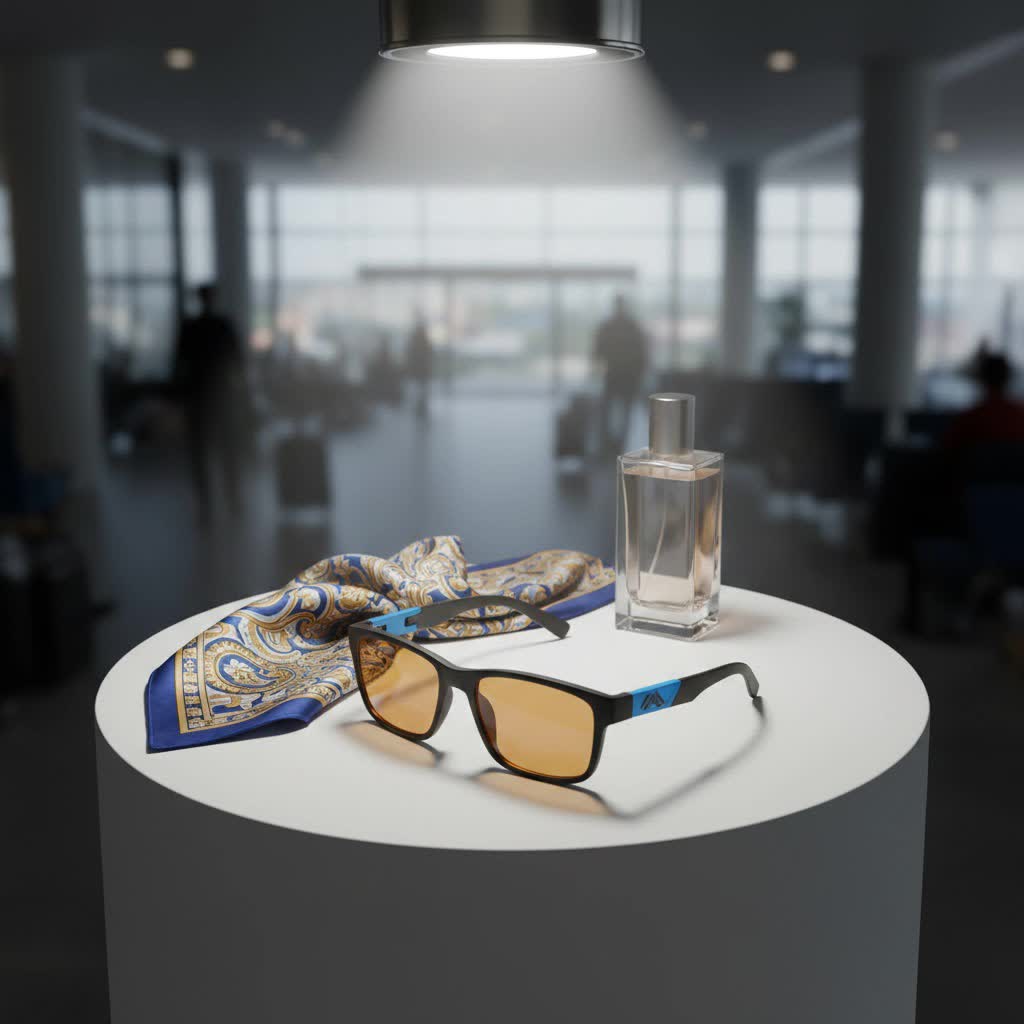
Gaming can be an intense visual experience, pushing our eyes to their limits. Digital screens, whether on a PC, console, or mobile device, emit high-energy visible (HEV) blue light, which can scatter more easily than other light wavelengths, leading to visual “noise” that forces our eyes to work harder. This sustained effort, combined with reduced blinking during concentrated play, often results in a cluster of uncomfortable symptoms collectively known as Digital Eye Strain or Computer Vision Syndrome (CVS). Symptoms can include sore, tired eyes, blurred vision, headaches, and even disruptions to natural sleep patterns. Gaming glasses are engineered to tackle these issues head-on, allowing you to focus longer, react faster, and protect your most valuable asset in gaming: your eyesight.
Gaming Glasses: Everything You Need to Know
Gaming glasses are specifically designed eyewear that integrates advanced lens technologies to mitigate the adverse effects of prolonged screen exposure, primarily by reducing blue light and glare while enhancing visual clarity.
What Are Gaming Glasses?
|
Our Picks for the Best Gaming Glasses in 2026
As an Amazon Associate I earn from qualifying purchases.
|
||
| Num | Product | Action |
|---|---|---|
| 1 | Blue Light Blocking Glasses - Fashion Square Eyeglasses, Anti UV Ray Computer Gaming Glasses Blue Blockers for Women/Men |

|
| 2 | ANYLUV Blue Light Blocking Glasses Men Computer Gaming Glasses Lightweight Al-Mg Metal Anti Eyestrain Eye Protection |
|
| 3 | ANYLUV Blue Light Blocking Glasses Men Computer Gaming Glasses Lightweight Al-Mg Metal Anti Eyestrain Eye Protection |
|
| 4 | Blue Light Blocking Glasses - Fashion Square Eyeglasses, Anti UV Ray Computer Gaming Glasses Blue Blockers for Women/Men |
|
| 5 | Horus X • Blue Light Glasses Men Women - Blue Light Blocking Glasses for Screen Anti-Fatigue Eye Migraine - Gaming Glasses V3 |
|
| 6 | Blue Light Blocking Glasses - Fashion Square Eyeglasses, Anti UV Ray Computer Gaming Glasses Blue Blockers for Women/Men |
|
| 7 | ANYLUV Blue Light Blocking Glasses Men Computer Gaming Glasses Lightweight Al-Mg Metal Anti Eyestrain Eye Protection |
|
| 8 | ANYLUV Blue Light Blocking Glasses Men Computer Gaming Glasses Lightweight Al-Mg Metal Anti Eyestrain Eye Protection |
|
| 9 | Blue Light Blocking Glasses - Fashion Square Eyeglasses, Anti UV Ray Computer Gaming Glasses Blue Blockers for Women/Men |
|
| 10 | Blue Light Blocking Glasses - Fashion Square Eyeglasses, Anti UV Ray Computer Gaming Glasses Blue Blockers for Women/Men |
|
At their core, gaming glasses are specialized spectacles crafted to address the unique visual demands of gamers. Unlike regular eyeglasses or basic blue light blocking glasses, gaming eyewear often features a combination of technologies tailored for interactive digital environments. These glasses incorporate blue light filtering, anti-reflective coatings, and sometimes contrast-enhancing tints to optimize the visual experience. Their evolution reflects the growing understanding of how digital screens impact eye health, prompting a need for targeted solutions to protect eyes during the intense and extended sessions common in modern gaming.
Why Should You Use Gaming Glasses?
The benefits of integrating gaming glasses into your setup extend beyond mere comfort, impacting both your immediate performance and long-term eye health.
-
Health Benefits:
- Reduced Eye Strain and Fatigue: Prolonged exposure to digital screens causes our eyes to work overtime, leading to dryness, irritation, and a general feeling of fatigue. Gaming glasses filter out harsh blue light and reduce glare, significantly easing the burden on your eyes.
- Protection Against Blue Light: Digital screens emit high-energy blue light, which can contribute to digital eye strain and, particularly in the evening, disrupt melatonin production. This disruption can interfere with your natural circadian rhythm, making it harder to fall asleep after late-night gaming sessions.
- Prevention of Computer Vision Syndrome (CVS): Gaming glasses actively combat the symptoms of CVS, such as headaches, blurred vision, and neck/shoulder pain, which stem from intense visual focus and reduced blinking rates. By reducing visual stress, they help prevent these common ailments.
-
Performance Benefits:
- Improved Visual Clarity and Contrast: Many gaming glasses feature slight tints or specialized coatings that enhance contrast and sharpen details on your screen. This can make it easier to spot enemies, identify clues, and navigate complex game environments, giving you a competitive edge.
- Reduced Glare and Reflections: Anti-reflective (AR) coatings are a cornerstone of quality gaming glasses, minimizing distracting reflections from ambient light sources or the screen itself. This allows for a clearer, more consistent view of the game, helping you maintain focus.
- Enhanced Focus and Concentration: By alleviating eye strain and improving visual comfort, gaming glasses enable you to concentrate more effectively and for longer periods. When your eyes aren’t fighting discomfort, your mind is free to fully engage with the game.
- More Comfortable and Longer Gaming Sessions: The collective benefits of reduced strain, improved clarity, and glare elimination translate into a more comfortable gaming experience. This allows you to play for extended durations without discomfort, preserving your stamina and enjoyment.
Popular Types of Gaming Glasses on the Market
Gaming glasses come in various forms, each designed with specific technologies to cater to different gamer needs and preferences.
Classification by Lens Technology
The heart of any gaming glass lies in its lenses, with various technologies offering distinct advantages.
- Blue Light Filtering Lenses: These are the most common type and are foundational for gaming eye protection.
- Mechanism: These lenses incorporate special dyes or coatings that selectively absorb or reflect a portion of the high-energy visible (HEV) blue light spectrum (typically 400-450 nanometers) emitted by digital screens.
- Pros: Effectively reduces eye strain, helps protect the retina, and can improve sleep quality by minimizing melatonin suppression. Available in various tints (clear, yellow, amber) offering different levels of blue light blockage.
- Cons: Stronger tints (yellow/amber) can slightly alter color perception, which might be a trade-off for competitive gamers who prioritize absolute color accuracy. Clear lenses filter less blue light but maintain true colors.
- Contrast-Enhancing Lenses: Often found in conjunction with blue light filters, these lenses optimize visual perception.
- Mechanism: These lenses use subtle tints, often yellow or amber, to filter specific wavelengths of light. This process sharpens the distinction between colors and objects on the screen, particularly in dark or visually busy environments.
- Pros: Improves reaction times by making details more noticeable, enhances depth perception, and can lead to a more vibrant and immersive game world.
- Cons: Similar to blue light lenses, a strong tint might introduce a slight color shift, which could be undesirable for games where color fidelity is crucial.
- Anti-Reflective (AR) Coated Lenses: A non-negotiable feature for serious gamers.
- Mechanism: A thin, transparent coating applied to both sides of the lens reduces reflections and glare from the screen and surrounding light sources. This allows more light to pass through the lens to your eyes.
- Pros: Dramatically reduces distracting glare, improves visual clarity, and lessens eye fatigue caused by constant pupil adjustment. Essential for gaming in various lighting conditions.
- Cons: Can be susceptible to smudges and scratches if not properly maintained, potentially diminishing effectiveness.
- Photochromic (Adaptive) Lenses: A versatile option for gamers who transition between indoor and outdoor environments.
- Mechanism: These lenses automatically darken when exposed to UV light (like outdoors) and become clear indoors. Some modern versions are also designed to react to visible light, providing blue light protection indoors.
- Pros: Offers convenience by eliminating the need to switch between different pairs of glasses, provides comprehensive UV and blue light protection.
- Cons: May not darken or clear as quickly as desired in certain situations, and the level of blue light filtering might be less consistent than dedicated tinted lenses.
Classification by Frame Style
While lens technology is paramount, the frame style contributes significantly to comfort and overall user experience.
- Full-Frame Glasses: The lens is entirely encircled by the frame.
- Pros: Generally more durable and sturdy, offering maximum lens protection. Wide range of styles and materials. Can create a more immersive visual field by blocking peripheral distractions.
- Cons: Can be heavier or bulkier, which might cause discomfort during prolonged wear, especially with headsets. May have thicker temples that interfere with headset fit.
- Half-Frame (Semi-Rimless) Glasses: The top part of the lens is framed, while the bottom is exposed.
- Pros: Lighter than full-frame options, offering a less obstructed downward view. A more modern and subtle aesthetic.
- Cons: Less protective for the bottom edge of the lens, potentially more fragile. Still retains some bulkiness compared to rimless designs.
- Rimless Glasses: The lenses are attached directly to the temples and bridge, with no surrounding frame.
- Pros: Extremely lightweight and almost invisible, providing the widest field of view. Minimal interference with headsets due to very thin temples.
- Cons: Most delicate option, prone to damage. May not be suitable for all lens types or high prescriptions.
- Wrap-Around/Sport Frames: Designed to curve around the face, often with wider temples.
- Pros: Offers enhanced peripheral vision and protection from external light or distractions. Secure fit during active movements.
- Cons: Style might not appeal to everyone. Can sometimes feel restrictive or less breathable, and the curvature might distort vision for some users.
- Headset-Compatible Frames: Specifically designed with thin temples.
- Pros: Minimizes pressure points and discomfort when worn under gaming headsets for extended periods.
- Cons: Limited in style choices, may feel less secure than standard frames for some users without headsets.
Leading Gaming Glasses Brands Compared
When choosing gaming glasses, several brands stand out for their commitment to eye protection and performance. Here’s a comparison of some notable players in the market.
| Brand | Key Features | Pros | Cons | Price Range (Approx.) |
|---|---|---|---|---|
| Gunnar | Patented lens technology (amber, clear, and transition options), blue light blocking (35-98%), anti-glare coatings, ergonomic designs, often with slight magnification (Gunnar-Focus). Known for partnerships (Razer, MLG). | Long-standing reputation, wide range of styles, effective blue light filtration, durable frames, often headset-compatible, prescription options. | Slight magnification can be disorienting for some; higher price point. | $50 – $150+ |
| HyperX | Crystal clear nylon lenses with blue light and UV protection, minimal color distortion, ultra-thin stainless steel temples, flex hinges. | Clear lenses maintain true colors, comfortable for extended wear with headsets, high-quality materials. | Limited style options, typically higher price. | $70 – $100+ |
| Gamer Advantage | Patented REZME lens technology targeting 455nm blue light peak, clinically proven to reduce blue light and increase melatonin, anti-reflective coatings, thin frames for headset comfort. | Excellent for sleep quality improvement, minimal yellow tint for high blue light blockage, comfortable and durable, available in prescription. | Can be pricier, especially for prescription lenses. | $75 – $150+ |
| Felix Gray | Blue light filtering (up to 50% across spectrum, 90% at peak), anti-glare, fashionable designs without heavy yellow tint, available with or without magnification/prescription. | Stylish, look like regular glasses, effective blue light filtration without significant color distortion, good for everyday use as well. | Blue light blocking percentage might be lower than heavily tinted options, higher price. | $95 – $150+ |
| J+S Vision | Blocks 90% of high-energy blue light, lightweight plastic construction, unisex designs, comes with a heavy yellow/amber tint. | Budget-friendly, highly effective blue light blocking, comfortable for extended wear. | Strong yellow tint, less emphasis on aesthetics. | $25 – $40 |
| Zenni Blokz | Proprietary blue light blocking lens technology (clear lenses filter up to 40%), anti-reflective coating, wide variety of affordable frames, prescription options readily available. | Very affordable, extensive frame selection, good entry-level blue light protection, easily customizable with prescriptions. | Lower blue light blocking percentage for clear lenses compared to tinted options. | $20 – $70+ (with frames) |
| Horus X | Plasma technology (amber tint, 86% blue light filtration up to 450nm) or Ghost technology (clear lens, 50% filtration). 100% UV protection, anti-reflective, scratch-resistant. Ergonomic designs, often with headset-friendly temples. | Strong blue light protection with amber lenses, clear option for color accuracy, good value, lightweight and comfortable. | Amber tint can alter colors. | $30 – $70 |
Your Essential Buying Guide to Gaming Glasses
Choosing the right pair of gaming glasses is a personalized decision that depends on your gaming habits, visual needs, and preferences. Consider these factors to make an informed choice.
Determine Your Usage Needs
Before diving into specifications, reflect on how you game.
- What game genres do you play? For fast-paced, competitive games like FPS or MOBA, color accuracy and minimal distortion might be paramount. For immersive RPGs, a stronger tint that reduces eye strain over many hours might be preferred, even with slight color shifts.
- How long do you play daily? If you engage in marathon sessions, maximum blue light filtration and comfort become critical. For casual or mobile gamers with shorter playtimes, a lighter blue light filter might suffice, especially if evening play is a concern for sleep.
- Do you have existing eye conditions (e.g., nearsightedness, astigmatism)? If so, prescription gaming glasses that combine vision correction with blue light protection are the optimal solution. Many brands offer prescription lenses with their gaming technologies.
Selecting the Right Lens
The lens is the most crucial component for eye protection and performance.
- Blue Light Filtering Percentage:
- Mild (10-30%): Often found in clear lenses, suitable for minimal blue light exposure or competitive gamers who need precise color accuracy. Helps reduce eye strain without noticeable color distortion.
- Moderate (30-50%): A good balance for general gamers, offering significant eye strain reduction with a subtle yellow tint that most adapt to quickly.
- High (50-90%+): Typically found in amber or orange-tinted lenses, providing maximum blue light blocking. Ideal for long sessions, low-light environments, or individuals highly sensitive to blue light. Be aware of potential color shifts.
- Lens Material:
- Polycarbonate or Trivex: Highly recommended for gaming glasses due to their durability, impact resistance, and lightweight nature. They also offer built-in UV protection and are excellent bases for various coatings.
- High-Index Plastic: Thinner and lighter for higher prescriptions, offering good optical clarity.
- Essential Lens Coatings:
- Anti-Reflective (AR) Coating: Non-negotiable for reducing glare from screens and ambient light. Look for coatings on both sides of the lens for maximum effectiveness.
- Scratch-Resistant Coating: Crucial for longevity, as gaming glasses will likely see frequent use and handling.
- Anti-Fog Coating: Beneficial for intense gaming sessions or humid environments, preventing lenses from fogging up due to body heat.
Choosing the Ideal Frame
Comfort and fit are key for glasses worn for extended periods, especially with gaming headsets.
- Frame Material:
- Lightweight Materials (e.g., TR90 thermoplastic, nylon, high-quality acetate, titanium): Essential for preventing pressure points and discomfort during long gaming sessions.
- Flexible Materials: Frames with some flexibility (like TR90) can be more durable and adapt better to different head sizes, also enhancing comfort under headsets.
- Frame Style for Your Face:
- Consider your face shape: Rectangular, square, or aviator styles often suit rounder faces, while round or oval frames can complement angular features. Ultimately, personal preference plays a huge role.
- Ensure proper fit: The glasses should sit securely without slipping, but also without pressing too tightly on your temples or nose bridge.
- Size and Compatibility with Headsets:
- Thin Temples: Look for frames with thin, flat temples that can slide comfortably under a gaming headset without creating painful pressure points behind your ears or on your temples. Many brands specifically design their frames with headset compatibility in mind.
- Adjustable Nose Pads: These can provide a customized fit, preventing slippage and evenly distributing weight, which is vital for comfort.
Where to Buy Trustworthy Gaming Glasses?
Finding a reliable source for your gaming glasses is as important as choosing the right pair. You have several options, each with distinct advantages.
Dedicated Eyewear and Optical Stores
- Pros:
- Professional Consultation: Opticians can accurately assess your vision, recommend suitable lens types (including prescription options), and ensure a proper fit.
- Wide Selection: These stores often carry a range of reputable brands and can offer advanced lens customization.
- Quality Assurance: You can physically inspect the product and benefit from warranties and after-sales service.
- Cons:
- Higher Price Point: Generally, prices can be higher due to personalized service and premium options.
- Limited “Gaming Specific” Stock: Some traditional optical stores might have fewer overtly “gamer” styles, though many can integrate blue light filters into standard frames.
Online Retailers and Brand Websites
- Pros:
- Convenience and Variety: Online platforms like Amazon, Best Buy, or direct brand websites (Gunnar, Zenni Optical, Gamer Advantage) offer an extensive selection, making it easy to compare different models and prices.
- Competitive Pricing and Deals: Online retailers often have promotions and lower overheads, leading to more competitive prices.
- User Reviews: Access to numerous customer reviews can help inform your decision.
- Cons:
- Lack of Physical Try-On: You can’t physically try on glasses before buying, making it harder to gauge fit and comfort. Virtual try-on tools can help but aren’t perfect.
- Difficulty Assessing Quality: Evaluating lens quality and frame durability can be challenging without hands-on inspection.
- Returns: While most offer returns, the process can be inconvenient if the glasses don’t meet expectations.
When purchasing, always prioritize retailers with clear return policies and good customer support. For prescription gaming glasses, consulting an eye care professional is always recommended to ensure optimal vision correction and eye health.
Conclusion
Gaming glasses for eye protection are an indispensable investment for anyone serious about their gaming experience and long-term eye health. By actively filtering harmful blue light, reducing distracting glare, and enhancing visual clarity, these specialized glasses enable you to play longer, focus sharper, and enjoy a more comfortable experience without the burden of eye strain or fatigue.
From understanding the impact of digital screens and the various lens technologies available, to selecting the right frame and knowing where to buy, choosing the perfect pair requires careful consideration. Whether you opt for a subtle clear lens for competitive play or a robust amber tint for immersive RPGs, the goal remains the same: to protect your vision while elevating your game. Your eyes are crucial to every victory and every adventure in the virtual world, so equipping them with the best protection is a strategic move.
Are you ready to give your eyes the protection they deserve and unlock a new level of gaming performance?
Frequently Asked Questions
Do gaming glasses actually work?
Yes, gaming glasses are scientifically designed with technologies like blue light filtering and anti-reflective coatings that demonstrably reduce digital eye strain, glare, and the negative effects of blue light exposure, leading to more comfortable and extended gaming sessions.
What percentage of blue light should gaming glasses block?
For general use, 30-50% blue light blocking is often a good balance, maintaining color accuracy while reducing strain. For extended sessions or sensitive eyes, higher filtration (50-90%+) with amber-tinted lenses provides maximum protection, though it may alter color perception.
Can I get prescription gaming glasses?
Absolutely. Many major eyewear brands and online retailers offer gaming glasses with prescription lenses, combining your necessary vision correction with blue light filtering and anti-glare technologies for a comprehensive solution.
Are gaming glasses the same as blue light blocking glasses?
While all gaming glasses are typically blue light blocking, not all blue light blocking glasses are optimized for gaming. Gaming glasses often include additional features like contrast enhancement, specialized frame designs for headset compatibility, and tailored tints for specific gaming scenarios beyond basic blue light filtration.
How often should I take breaks when gaming with protective glasses?
Even with gaming glasses, it’s advisable to follow the 20-20-20 rule: every 20 minutes, look at something 20 feet away for at least 20 seconds. This helps relax your eye muscles and prevents fatigue, complementing the protection offered by your glasses.
