In the heat of intense gaming, countless hours spent staring at vibrant, fast-paced screens can take a serious toll on your eyes. From the subtle strain to the throbbing headaches, digital eye fatigue is a pervasive challenge for gamers worldwide. But what if there was a simple yet powerful accessory that could shield your vision, enhance your performance, and extend your gaming sessions comfortably? Enter blue light blocking gaming glasses – a crucial piece of gear designed to protect your eyes and elevate your entire gaming experience. This comprehensive guide will delve into everything you need to know about these essential eyewear, from their fundamental benefits to helping you choose the perfect pair.
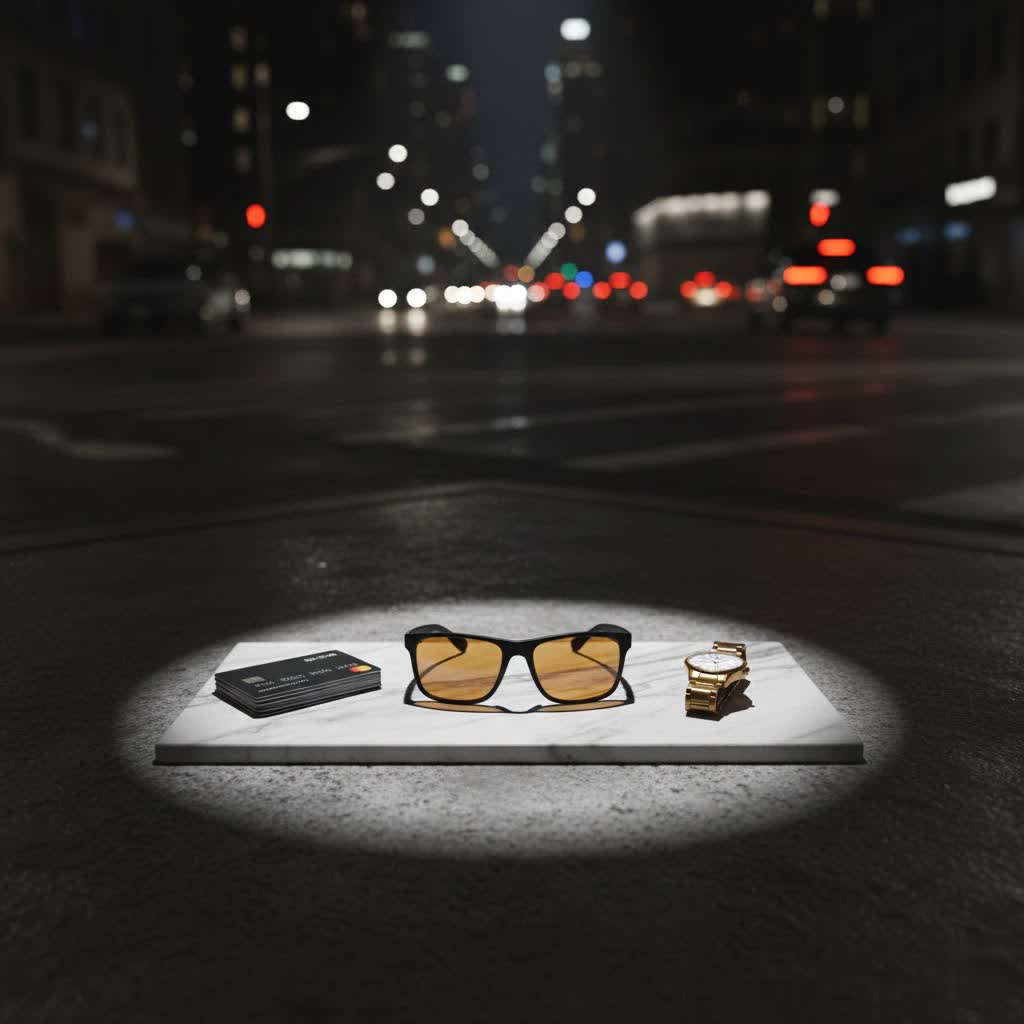
Gaming Glasses: Everything You Need to Know
Blue light blocking gaming glasses are more than just a stylish accessory; they are a sophisticated tool engineered to safeguard your eyes in the digital age. Understanding their core function and evolution reveals why they have become indispensable for serious gamers.
What Are Blue Light Blocking Gaming Glasses?
|
Our Picks for the Best Gaming Glasses in 2026
As an Amazon Associate I earn from qualifying purchases.
|
||
| Num | Product | Action |
|---|---|---|
| 1 | ANYLUV Blue Light Blocking Glasses Men Computer Gaming Glasses Lightweight Al-Mg Metal Anti Eyestrain Eye Protection |

|
| 2 | Blue Light Blocking Glasses - Fashion Square Eyeglasses, Anti UV Ray Computer Gaming Glasses Blue Blockers for Women/Men |
|
| 3 | ANYLUV Blue Light Blocking Glasses Men Computer Gaming Glasses Lightweight Al-Mg Metal Anti Eyestrain Eye Protection |
|
| 4 | Blue Light Blocking Glasses - Fashion Square Eyeglasses, Anti UV Ray Computer Gaming Glasses Blue Blockers for Women/Men |
|
| 5 | ANYLUV Blue Light Blocking Glasses Men Computer Gaming Glasses Lightweight Al-Mg Metal Anti Eyestrain Eye Protection |
|
| 6 | Blue Light Blocking Glasses - Fashion Square Eyeglasses, Anti UV Ray Computer Gaming Glasses Blue Blockers for Women/Men |
|
| 7 | Blue Light Blocking Glasses - Fashion Square Eyeglasses, Anti UV Ray Computer Gaming Glasses Blue Blockers for Women/Men |
|
| 8 | Blue Light Blocking Glasses - Fashion Square Eyeglasses, Anti UV Ray Computer Gaming Glasses Blue Blockers for Women/Men |
|
| 9 | ANYLUV Blue Light Blocking Glasses Men Computer Gaming Glasses Lightweight Al-Mg Metal Anti Eyestrain Eye Protection |
|
| 10 | Horus X • Blue Light Glasses Men Women - Blue Light Blocking Glasses for Screen Anti-Fatigue Eye Migraine - Gaming Glasses V3 |
|
Blue light blocking gaming glasses are specially designed eyewear featuring lenses that filter out specific wavelengths of high-energy visible (HEV) blue light emitted by digital screens such as monitors, TVs, smartphones, and tablets. This blue light, while naturally present in sunlight, can contribute to digital eye strain and disrupt sleep patterns when overexposed, particularly from artificial sources.
The concept of filtering harmful light has evolved alongside our increasing reliance on screens. Initially, “computer glasses” focused on reducing glare and providing slight magnification. However, with growing awareness of blue light’s potential impact, specialized lenses emerged to specifically target and mitigate these wavelengths. Today, gaming glasses integrate advanced coatings and lens tints to selectively block blue light, often while maintaining visual clarity crucial for competitive gameplay. They are an application of vision science tailored to the unique demands of gaming environments.
Why Should Gamers Use Blue Light Blocking Glasses?
For gamers, the benefits of using blue light blocking glasses extend beyond mere comfort, impacting both health and in-game performance.
Health Benefits: Prolonged exposure to blue light from screens can lead to a range of uncomfortable symptoms often grouped under “digital eye strain” or “computer vision syndrome.” These include dry eyes, blurred vision, eye fatigue, and headaches. Blue light blocking glasses significantly reduce this strain by filtering out a portion of the irritating blue light, allowing your eyes to feel more relaxed even during extended sessions. Furthermore, blue light can disrupt the body’s natural circadian rhythm by suppressing melatonin production, the hormone responsible for signaling sleep. Wearing these glasses, especially in the evening, can help maintain healthier sleep patterns, leading to better rest and overall well-being. While research on long-term retinal damage from screen-emitted blue light is still evolving and mixed, many users report a noticeable reduction in discomfort and an improvement in eye health after consistent use.
Performance Benefits: Beyond health, blue light blocking glasses can give gamers a competitive edge. By reducing glare and enhancing visual contrast, these lenses can make in-game graphics appear sharper and more vivid, improving target acquisition and environmental awareness. This increased clarity can lead to faster reaction times and more precise gameplay, especially in fast-paced genres like first-person shooters (FPS) or multiplayer online battle arenas (MOBA). The reduction in eye fatigue also means you can maintain peak concentration and focus for longer periods, preventing mental and visual slowdowns that can cost you a match.
Experience Benefits: Ultimately, blue light blocking gaming glasses contribute to a more enjoyable and sustainable gaming experience. They allow you to immerse yourself in your favorite virtual worlds without the constant distraction of eye discomfort, enabling longer, more comfortable playtimes. This not only enhances your performance but also deepens your overall satisfaction with your hobby.
Popular Types of Gaming Glasses on the Market
The market for blue light blocking gaming glasses offers a variety of options, primarily differentiated by their lens technology and frame design. Choosing the right type depends on your specific needs and preferences.
Lens Technology Classification
The core of any blue light blocking gaming glasses lies in its lenses, which employ different technologies to filter blue light.
- Clear Lenses (Low Tint): These lenses typically feature a subtle, often barely visible, blue light filtering coating. They are designed to block a moderate percentage of blue light (e.g., 25-50%) while causing minimal to no color distortion.
- Pros: Ideal for daytime use or for games where color accuracy is paramount (e.g., artistic games, competitive titles where specific color cues are vital). They look like regular glasses, making them suitable for everyday wear.
- Cons: Offer less blue light protection compared to tinted alternatives. May not be as effective for severe eye strain or late-night gaming where sleep disruption is a concern.
- Amber/Yellow Lenses (Moderate Tint): These lenses have a distinct amber or yellow tint, which indicates a higher level of blue light filtration (e.g., 65-90%). The tint helps to neutralize the harsh blue light, often enhancing contrast.
- Pros: Provide significantly greater blue light protection, reducing eye strain and improving sleep quality more effectively, especially during evening sessions. The enhanced contrast can be beneficial in darker game environments.
- Cons: The tint can alter color perception, making whites appear warmer or yellowish. This might be distracting for some gamers or detrimental in games that rely on precise color representation.
- Other Lens Types:
- Transition Lenses: Some blue light blocking lenses can also incorporate transition technology, allowing them to darken when exposed to UV light outdoors, acting as sunglasses.
- UV Protection: Many quality blue light lenses also include UV protection, safeguarding your eyes from a broader spectrum of potentially harmful light.
Frame Style Classification
Beyond the lenses, the frame style plays a crucial role in comfort, fit, and aesthetics, especially for gamers who often wear headsets.
- Full-Frame: These glasses have a frame that fully encloses the lenses.
- Pros: Often more durable and offer a secure fit. A wide variety of styles and materials are available.
- Cons: Can sometimes be heavier or thicker, potentially causing pressure points when worn with gaming headsets for extended periods.
- Half-Frame: These frames only cover the top half or bottom half of the lenses.
- Pros: Lighter than full-frames, offering a more minimalist look. Can provide a wider field of view, particularly if the bottom is rimless.
- Cons: Might be less durable than full-frame options.
- Rimless: As the name suggests, these frames have no rim around the lenses, with the temples and bridge directly attached to the lenses.
- Pros: Extremely lightweight and offer an unobstructed field of vision. Minimalist aesthetic.
- Cons: Typically the most fragile type, prone to damage. May not be suitable for all face shapes or those requiring very robust eyewear.
- Special Features for Gamers: Many gaming-specific frames are designed with thin, flexible temples (arms) to minimize pressure under a gaming headset. Lightweight materials like nylon or TR90 plastic are often used to ensure comfort during marathon gaming sessions. The overall design prioritizes a snug yet comfortable fit to prevent slippage during active gameplay.
Comparing Top Blue Light Blocking Gaming Glasses Brands
The market features several reputable brands offering blue light blocking gaming glasses, each with unique strengths. Here’s a comparison of some popular choices:
Detailed Brand Comparison
| Brand | Key Features & Technology | Pros | Cons | Price Range (Approx.) |
|---|---|---|---|---|
| Gunnar | Patented lens technology, various tints (clear, amber, transition), “Gunnar-Focus” (slight magnification) or “Natural-Focus” options, prescription available. | Known specifically for gaming, wide range of styles, robust build, effective blue light blocking. | “Gunnar-Focus” can be disorienting for some; higher price point. | $50 – $150+ |
| Zenni Blokz | Proprietary Blokz® lens technology, virtually clear lenses, prescription options readily available, anti-reflective, scratch-resistant, 100% UV. | Highly affordable, customizable with prescription, wide frame selection, good entry-level option. | May offer slightly less intense blue light blocking than some premium brands. | $25 – $70+ |
| Horus X | Advanced lens technology blocking up to 99% blue light (for some models), anti-glare, lightweight and ergonomic designs, eco-friendly focus. | Strong blue light filtration, comfortable for long wear, good value for performance, modern designs. | Color distortion can be noticeable with higher blocking models. | $40 – $100+ |
Note: Prices are approximate and can vary based on model, features, and retailers.
Your Buying Guide: Choosing the Right Blue Light Blocking Gaming Glasses
Selecting the perfect pair of blue light blocking gaming glasses involves a thoughtful assessment of your personal needs and the specific features of the eyewear.
Assess Your Gaming Needs
Before diving into specifications, consider how you game.
- What game genres do you play? If you play competitive games like FPS or MOBA where precise color recognition is critical, clearer lenses with minimal color distortion might be preferable. For RPGs or casual games, a slight amber tint for enhanced contrast might be acceptable or even beneficial.
- How long do you play each day? If you engage in marathon gaming sessions (4+ hours), higher blue light blocking efficiency and maximum comfort features (lightweight, headset-friendly frames) become paramount. For shorter, occasional play, a more basic pair might suffice.
- Do you have existing eye conditions, such as myopia or astigmatism? If you wear prescription glasses, look for brands that offer blue light filtering lenses with your prescription. Many optical stores and online retailers can integrate blue light filtration into your custom lenses.
Selecting the Right Lenses
The lens is the heart of blue light blocking glasses.
- Blue Light Filtration Level: Lenses vary in how much blue light they block and across which spectrum.
- For general daytime use and minimal color distortion, look for lenses blocking 25-50% of blue light, particularly in the 400-450nm range.
- For extended evening gaming or to aid sleep, consider amber or yellow-tinted lenses that block 65-90% of blue light. Some advanced lenses target the peak harmful wavelength around 455nm without heavy tint.
- Always check if the manufacturer provides a spectral analysis or certification to verify blocking efficiency.
- Lens Material: Common materials include polycarbonate, which is impact-resistant and lightweight, and nylon, known for its flexibility and durability. High-quality materials contribute to overall clarity and longevity.
- Coatings: Essential for a superior gaming experience:
- Anti-reflective (AR) coating: Significantly reduces glare from screens and ambient light, providing clearer vision and reducing eye strain. Ensure it’s on both front and back surfaces.
- Scratch-resistant coating: Extends the life of your glasses, protecting against everyday wear and tear.
- UV protection: While blue light is the main concern for screens, UV protection is an added benefit, especially if you also use your glasses in environments with natural light.
Choosing the Perfect Frame
Comfort and fit are crucial for eyewear you’ll wear for hours.
- Frame Material:
- Plastic (e.g., TR90 nylon): Lightweight, flexible, and often durable, great for comfort during long sessions and with headsets.
- Metal (e.g., stainless steel, titanium): Durable, can be very thin and lightweight, offering a premium feel.
- Carbon fiber: Extremely light and strong, but usually more expensive.
- Frame Style: Consider how the style impacts comfort with a gaming headset. Thin, flexible temples are highly recommended to prevent uncomfortable pressure points. Ensure the frame size and shape are proportionate to your face for optimal fit and aesthetic.
- Fit and Size: The glasses should sit comfortably on your nose without slipping or pinching. The temples should extend straight back to your ears without causing pressure behind them. A proper fit ensures the lenses are correctly positioned in front of your eyes for maximum effectiveness and comfort.
Where to Buy Reputable Blue Light Blocking Gaming Glasses
Once you know what you’re looking for, finding a trustworthy vendor is the next step to investing in your eye health and gaming performance.
Specialized Optical Stores
Purchasing from a professional optical store or optometrist offers several advantages.
- Pros:
- Professional Consultation: Opticians can provide personalized advice on lens types, filtration levels, and frame fit based on your eye health and gaming habits.
- Prescription Integration: They can easily incorporate blue light filtering into your existing or new prescription lenses, ensuring accurate vision correction and protection.
- Quality Assurance: Reputable stores typically carry certified products and can verify the blue light blocking efficacy of their offerings.
- Fitting and Adjustments: You can try on various frames to ensure a comfortable and secure fit, and opticians can make adjustments as needed.
- Cons:
- Higher Price Point: Generally, glasses from optical stores can be more expensive than online alternatives.
- Limited Gaming-Specific Selection: While they offer blue light filtration, their selection of frames optimized for gaming (e.g., ultra-thin temples for headsets) might be narrower compared to specialist gaming brands.
Online Retailers
Online platforms have become a popular choice for their convenience and vast selection.
- Pros:
- Convenience: Shop from anywhere, anytime.
- Wider Selection: Access to a broader range of brands, styles, and price points, including many gaming-specific models.
- Competitive Pricing: Often, online retailers offer more aggressive pricing and frequent discounts.
- Customer Reviews: User reviews can provide valuable insights into comfort and effectiveness.
- Cons:
- Inability to Try On: You cannot physically try on the glasses before purchase, making it challenging to assess fit and comfort, especially with a headset. Many brands offer virtual try-on tools or generous return policies to mitigate this.
- Difficulty Verifying Quality: It can be harder to confirm the authenticity and actual blue light blocking efficacy of lenses without third-party testing or certification. Stick to reputable brands with clear specifications.
- Less Personalized Advice: You miss out on the expert guidance an optician can provide.
Before purchasing online, research the brand thoroughly, check for transparent information on their lens technology and certifications, and read customer reviews, particularly those from other gamers.
In conclusion, blue light blocking gaming glasses are a worthwhile investment for any gamer serious about their eye health and performance. By understanding the science behind blue light, recognizing the benefits of filtration, and carefully considering lens and frame options, you can choose a pair that offers both protection and comfort. Whether you prefer the subtle clarity of clear lenses or the robust protection of amber tints, finding the right glasses can significantly reduce eye strain, improve focus, and contribute to healthier sleep, ultimately enriching your time in the virtual world.
Are your eyes ready for the next level of gaming comfort and performance?
Frequently Asked Questions
Do blue light blocking glasses really work for gaming?
Many gamers report a significant reduction in eye strain, fatigue, and headaches when using blue light blocking glasses during long sessions. While scientific research on long-term benefits is mixed, the immediate relief from discomfort is widely acknowledged, making them a popular choice for enhancing gaming comfort.
What is the ideal blue light blocking percentage for gaming?
For general daytime gaming with minimal color distortion, a blocking efficiency of 25-50% in the 400-450nm range is often sufficient. For extended evening or nighttime gaming, or if you experience significant eye strain, lenses that block 65-90% of blue light are recommended, though they may introduce a noticeable tint.
Can I get blue light blocking glasses with my prescription?
Yes, many optical retailers and online brands offer blue light filtering as an add-on to prescription lenses. This allows you to combine your vision correction with blue light protection, ensuring you don’t need to wear two pairs of glasses or compromise on visual clarity while gaming.
Are clear or tinted blue light glasses better for gaming?
The choice between clear and tinted (amber/yellow) lenses depends on your priorities. Clear lenses are better for color-sensitive games and daytime use due to minimal distortion, while tinted lenses offer superior blue light protection and contrast enhancement, ideal for evening sessions and reducing eye strain, though they will alter in-game colors.
How often should I wear blue light blocking glasses?
You can wear blue light blocking gaming glasses whenever you are in front of digital screens for extended periods. Many gamers wear them for every session to consistently reduce eye strain and manage blue light exposure. For sleep benefits, wearing them a few hours before bedtime is particularly effective.
