Are you an avid gamer seeking to enhance your experience and safeguard your eyesight? Many wonder if iconic brands like Ray-Ban offer specialized gaming glasses. While the allure of combining classic style with cutting-edge gaming technology is strong, the truth about “Ray-Ban gaming glasses” is more nuanced than you might think. This comprehensive guide will delve into what gaming glasses truly are, why they’re essential for modern gamers, and how to choose the perfect pair to protect your eyes and elevate your play.
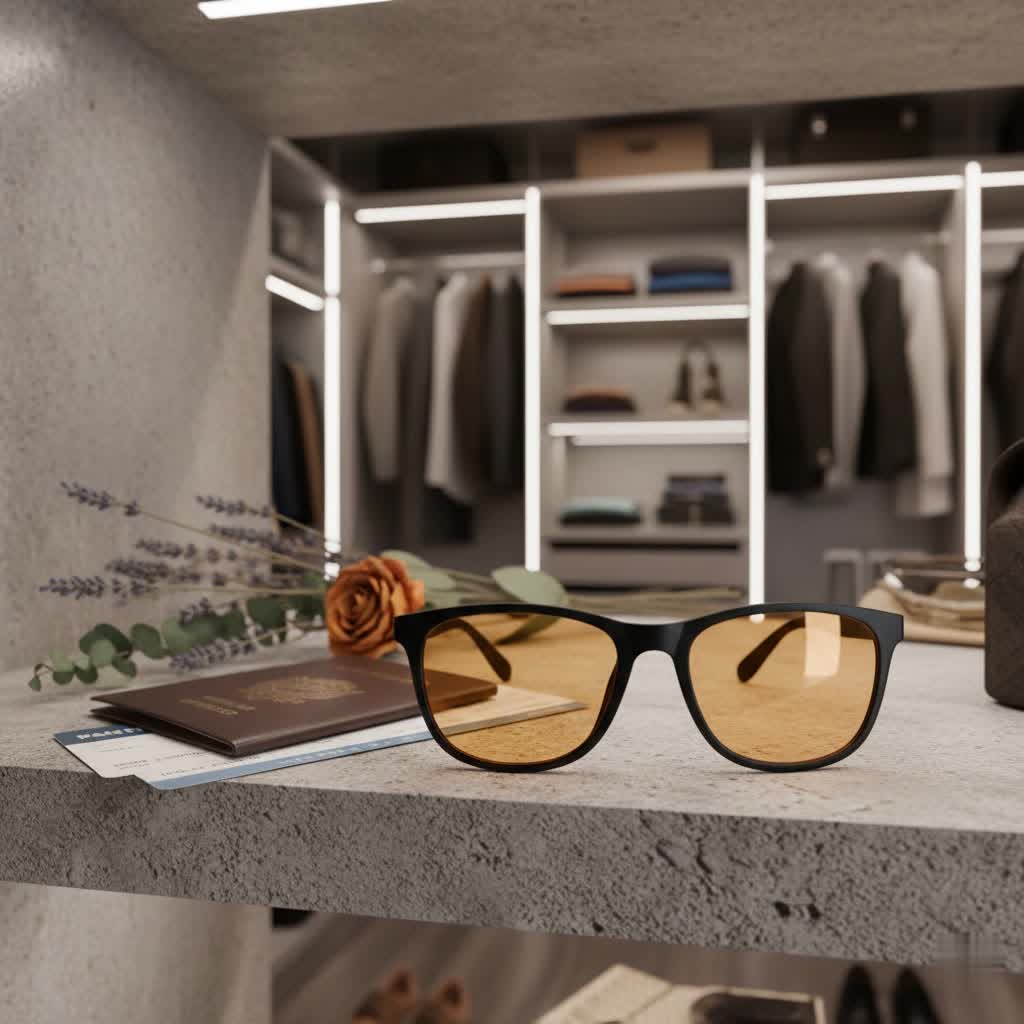
Gaming Glasses: All You Need to Know
What Are Gaming Glasses?
|
Our Picks for the Best Gaming Glasses in 2026
As an Amazon Associate I earn from qualifying purchases.
|
||
| Num | Product | Action |
|---|---|---|
| 1 | Blue Light Blocking Glasses - Fashion Square Eyeglasses, Anti UV Ray Computer Gaming Glasses Blue Blockers for Women/Men |

|
| 2 | Blue Light Blocking Glasses - Fashion Square Eyeglasses, Anti UV Ray Computer Gaming Glasses Blue Blockers for Women/Men |
|
| 3 | Blue Light Blocking Glasses - Fashion Square Eyeglasses, Anti UV Ray Computer Gaming Glasses Blue Blockers for Women/Men |
|
| 4 | ANYLUV Blue Light Blocking Glasses Men Computer Gaming Glasses Lightweight Al-Mg Metal Anti Eyestrain Eye Protection |
|
| 5 | ANYLUV Blue Light Blocking Glasses Men Computer Gaming Glasses Lightweight Al-Mg Metal Anti Eyestrain Eye Protection |
|
| 6 | Blue Light Blocking Glasses - Fashion Square Eyeglasses, Anti UV Ray Computer Gaming Glasses Blue Blockers for Women/Men |
|
| 7 | ANYLUV Blue Light Blocking Glasses Men Computer Gaming Glasses Lightweight Al-Mg Metal Anti Eyestrain Eye Protection |
|
| 8 | Horus X • Blue Light Glasses Men Women - Blue Light Blocking Glasses for Screen Anti-Fatigue Eye Migraine - Gaming Glasses V3 |
|
| 9 | ANYLUV Blue Light Blocking Glasses Men Computer Gaming Glasses Lightweight Al-Mg Metal Anti Eyestrain Eye Protection |
|
| 10 | Blue Light Blocking Glasses - Fashion Square Eyeglasses, Anti UV Ray Computer Gaming Glasses Blue Blockers for Women/Men |
|
Gaming glasses, often referred to as blue light blocking glasses or computer glasses, are eyewear specifically designed to mitigate the negative impacts of prolonged screen exposure. These specialized glasses feature lenses treated with a unique coating that selectively filters or blocks harmful blue light emitted from digital screens, including those of PCs, consoles, smartphones, and tablets. Their primary purpose is to protect your eyes from the high-energy visible (HEV) blue light spectrum, which can contribute to digital eye strain and disrupt natural sleep cycles.
It is important to clarify that Ray-Ban does not produce glasses specifically marketed as “gaming glasses” with dedicated blue light filtering technology for gamers. While Ray-Ban offers stylish frames and has ventured into smart eyewear with their Ray-Ban Meta glasses, these products are primarily focused on integrated technology like cameras, audio, and AI assistance. The Ray-Ban Meta glasses may feature adaptive Transitions lenses for varying light conditions, but their core function is not blue light blocking optimized for gaming. However, many individuals choose Ray-Ban frames and have them custom-fitted with blue light blocking prescription or non-prescription lenses by independent opticians.
Why Should You Use Gaming Glasses?
In today’s digital landscape, extended screen time is a common reality for gamers. Utilizing gaming glasses offers a multitude of benefits for both your eye health and gaming performance:
- Health Benefits: Reduced Eye Strain and Blue Light Protection: Prolonged exposure to blue light from screens can lead to digital eye strain, characterized by symptoms like dry eyes, blurred vision, headaches, and fatigue. Gaming glasses work by filtering this blue light, significantly reducing these symptoms and protecting your eyes from potential long-term damage. They help maintain ocular comfort, allowing your eyes to feel less fatigued even after hours of intense gaming.
- Performance Benefits: Enhanced Contrast and Focus: Beyond protection, gaming glasses can actively improve your gaming performance. The specialized lenses often enhance contrast and sharpen visual clarity, making in-game details more discernible. This improved perception can give you a competitive edge, allowing for quicker reaction times and better target acquisition in fast-paced games. By reducing glare and optimizing light, they help you maintain focus on the action, minimizing distractions from environmental reflections.
- Experience Benefits: Longer, More Comfortable Play: With reduced eye fatigue and improved visual comfort, gaming glasses enable longer, more enjoyable gaming sessions. You can delve deeper into virtual worlds without the discomfort that often cuts short your playtime. This leads to a more immersive and satisfying overall gaming experience, helping you stay in the zone for extended periods.
Popular Types of Gaming Glasses on the Market
Gaming glasses come in various forms, primarily categorized by their lens technology and frame design. Understanding these classifications can help you pinpoint the best option for your individual needs.
Classification by Lens Technology
The core of any gaming glass lies in its lens technology, specifically how it manages light.
- Blue Light Filtering Lenses: These are the most common type. They are designed with a special coating or tint that blocks a percentage of high-energy blue light wavelengths.
- Mechanism: The lenses absorb or reflect blue light, preventing it from reaching your eyes. Some lenses appear clear, while others have a subtle yellow or amber tint, which indicates a higher degree of blue light filtration.
- Pros: Effectively reduces digital eye strain, may improve sleep patterns, comes in prescription and non-prescription options. Can be customized and fitted into various frames, including stylish options like Ray-Ban frames, by an optician.
- Cons: Heavily tinted lenses can alter color perception, which might be undesirable for graphic designers or competitive gamers who rely on accurate color representation.
- Anti-Glare (Anti-Reflective) Coatings: Often found in conjunction with blue light filters, these coatings reduce reflections from light sources hitting the lens surface.
- Mechanism: Thin layers applied to the lens surfaces minimize glare from screens and ambient lighting.
- Pros: Improves visual clarity, reduces distractions, and decreases eye fatigue caused by reflections.
- Cons: Can sometimes be prone to smudges or scratches if not cared for properly.
- Transitions Lenses (Photochromic Lenses): These lenses adapt to changing light conditions, darkening in bright light and becoming clear indoors.
- Mechanism: Molecules in the lens react to UV light, causing them to darken. They revert to clear when UV light is absent.
- Pros: Convenient for those who game in various lighting environments or frequently move between indoors and outdoors. Ray-Ban Meta smart glasses sometimes feature Transitions lenses.
- Cons: Primarily react to UV light, meaning they may not darken sufficiently inside if ambient light lacks UV. Their blue light filtering properties are secondary to their photochromic function, and they are not typically designed with specific gaming performance enhancements in mind.
Classification by Frame Style
Beyond the lenses, the frame style plays a significant role in comfort, fit, and aesthetic.
- Full-Frame Glasses: These frames fully encompass the lenses, offering robust support and a classic look.
- Pros: Durable, wide variety of designs, suitable for higher prescriptions, and can make a strong style statement. Many popular Ray-Ban frames (like Wayfarer or Clubmaster) fall into this category.
- Cons: Can be heavier, may obstruct peripheral vision slightly depending on thickness, and some styles might press on pressure points during long sessions.
- Half-Frame (Semi-Rimless) Glasses: These frames feature a rim around the top part of the lenses, leaving the bottom exposed.
- Pros: Lighter than full-frame, offers a more open field of vision, and provides a modern, understated aesthetic.
- Cons: Less durable than full-frame, more susceptible to lens damage, and might not be suitable for very thick prescriptions.
- Rimless Glasses: As the name suggests, these frames have no rim around the lenses, with the temples and bridge directly attached to the lenses.
- Pros: Extremely lightweight, maximum field of vision, and a minimalist, almost invisible look.
- Cons: Most fragile option, lenses are highly exposed to damage, and typically best for lower prescriptions. Comfort can be a factor if the attachment points are not well-designed.
Comparison Table of Renowned Gaming Glasses Brands
While Ray-Ban excels in fashion and smart technology eyewear, the dedicated market for gaming glasses is dominated by brands focused specifically on digital eye protection and performance enhancement. Here’s a comparison of some leading brands in the gaming eyewear space:
| Feature/Brand | GUNNAR Optiks | Kreedom | J+S Vision (Entry-Level) |
|---|---|---|---|
| Focus | Professional-grade gaming & computer eyewear | Affordable, stylish gaming glasses | Budget-friendly blue light protection |
| Blue Light Blockage | 35% to 98% (Amber & Clear tints) | Varies, often 30-50% | Varies, often 50-90% (yellow tint) |
| Lens Technology | Patented Lens Technology (i-AMP), tints, anti-glare | Standard blue light filter, UV protection | Standard blue light filter |
| Key Benefits | Reduced eye strain, improved contrast, enhanced focus, various tints for different light conditions. Often available in prescription. | Style-conscious designs, basic eye protection, good value for casual gamers. | Cost-effective entry into blue light protection, good for general screen use. |
| Frame Materials | Lightweight metals, durable plastics (e.g., nylon) | Various plastics | Lightweight plastics |
| Price Range | Mid to High ($50 – $200+) | Low to Mid ($20 – $60) | Low ($20 – $40) |
| Unique Selling Points | Ergonomic designs, wide range of tints/styles, collaboration with gaming brands (e.g., Razer, Alienware). | Fashion-forward aesthetics, often on clearance, suitable for casual users. | Accessibility, basic effectiveness. |
Note: Ray-Ban is not included in this comparison table as they do not offer a line of dedicated “gaming glasses” with specialized blue light filtering technology comparable to these brands. Their focus is on fashion eyewear and smart glasses with broader functionalities, rather than specific gaming eye protection.
Guide to Choosing the Right Gaming Glasses (Buying Guide)
Selecting the ideal pair of gaming glasses involves considering several factors to match your specific needs, gaming habits, and personal preferences.
Determine Your Usage Needs
Before diving into features, reflect on your gaming routine and potential eye concerns.
- What type of games do you play? Fast-paced FPS or MOBA games might benefit from clear lenses to avoid color distortion, while RPGs or strategy games might tolerate amber tints for maximum blue light protection.
- How long do you game each day? If you spend multiple hours daily in front of screens, investing in higher-quality lenses with superior blue light filtration and anti-glare coatings is advisable. Casual gamers might find entry-level options sufficient.
- Do you have existing vision issues (e.g., nearsightedness, astigmatism)? If so, you will need prescription gaming glasses. Many dedicated gaming eyewear brands offer prescription lens options, or you can have blue light blocking lenses custom-fitted into a frame of your choice, including Ray-Ban frames, by an optometrist.
Choose Suitable Lenses
The lenses are the most critical component of gaming glasses, directly impacting eye protection and visual clarity.
- Blue Light Filtration Level: Look for glasses that specify the percentage of blue light blocked. Amber-tinted lenses typically block a higher percentage (e.g., 60-98%) and are excellent for maximum protection, especially in low-light gaming environments. Clear lenses offer more subtle filtration (e.g., 20-50%) and are ideal if color accuracy is paramount.
- Lens Material: Opt for durable and lightweight materials like polycarbonate or Trivex. These materials are impact-resistant, making them safer and more comfortable for extended wear. They also often come with built-in UV protection.
- Coatings: Prioritize lenses with anti-reflective (AR) coatings to minimize glare and reflections, which can cause eye strain. Scratch-resistant coatings are also beneficial for longevity, especially for frequently used eyewear.
Select Appropriate Frames
Comfort and fit are paramount for gaming glasses, as they will be worn for extended periods.
- Frame Material: Lightweight materials like acetate, nylon, or titanium are excellent choices. They reduce pressure on your nose and ears, preventing discomfort during long gaming sessions. Avoid heavy metal frames if comfort is a top priority.
- Frame Style: Choose a style that complements your face shape and personal aesthetic. Full-frame offers durability, half-frame provides a lighter feel, and rimless offers maximum field of view. Consider models with flexible hinges or adjustable nose pads for a customized fit.
- Frame Size: Ensure the frame size is appropriate for your face. Glasses that are too tight can cause headaches, while those too loose can slip down your nose. Pay attention to lens width, bridge width, and temple arm length specifications. For gamers, frames that are compatible with headsets are a plus, often featuring thinner temples to avoid pressure points.
Where to Buy Reputable Gaming Glasses
When investing in gaming glasses, it’s crucial to purchase from reliable sources to ensure quality and effectiveness.
Professional Optical Stores
- Advantages: Opticians can provide personalized advice based on your eye health and prescription needs. They offer a wide selection of frames, including the option to fit blue light blocking lenses into high-quality frames like those from Ray-Ban. You benefit from professional fitting services and warranty support, ensuring your glasses are comfortable and effective.
- Disadvantages: Generally, the prices for glasses purchased through professional optical stores, especially for custom prescription lenses, tend to be higher compared to online retailers.
Online Retailers and E-commerce Platforms
- Advantages: Online stores offer unparalleled convenience, a vast array of brands and styles (including popular gaming eyewear brands), and competitive pricing dueons to frequent sales and discounts. You can easily compare specifications and read user reviews before making a purchase.
- Disadvantages: The inability to try on glasses before buying can make it challenging to assess fit and comfort. Quality control can vary between different online vendors, so it’s essential to stick to reputable sellers with clear return policies. Ensure the blue light blocking claims are backed by credible data.
“For gamers, protecting your eyes is no longer an optional extra, it’s a fundamental part of maintaining long-term health and peak performance. Blue light filtering technology has become as crucial as a high-refresh-rate monitor.” – Dr. Evelyn Reed, Optometrist specializing in Digital Eye Health
Conclusion
While the concept of “Ray-Ban gaming glasses” isn’t a direct product line, the underlying need for eye protection during gaming is very real. Ray-Ban’s stylish frames can certainly house custom blue light filtering lenses, and their smart glasses offer technological integration, though not tailored for blue light blocking. The true champions of gaming eye protection come from specialized brands that focus on filtering harmful blue light, enhancing contrast, and reducing digital eye strain. By understanding your specific needs, evaluating lens technologies, and choosing comfortable frames, you can significantly improve your eye health and elevate your gaming experience. Don’t let eye strain hold you back—invest in the right gaming eyewear and see your performance soar. What measures are you currently taking to protect your eyes during your gaming sessions?
Frequently Asked Questions
Do Ray-Ban glasses offer blue light protection?
Standard Ray-Ban sunglasses offer UV protection, but their regular optical or sunglass lenses do not inherently provide specific blue light filtering for screen use. However, Ray-Ban frames can be customized with prescription or non-prescription blue light blocking lenses by an optician, effectively turning them into computer or gaming glasses.
Are gaming glasses suitable for everyday computer use?
Yes, gaming glasses are highly beneficial for everyday computer use. They are essentially blue light blocking glasses designed to reduce eye strain, fatigue, and glare from all digital screens, making them ideal for office workers, students, and anyone spending extended periods in front of computers, tablets, or phones.
What is the ideal blue light blocking percentage for gaming glasses?
The ideal blue light blocking percentage depends on individual sensitivity and usage. For general protection and minimal color distortion, 20-50% blockage in clear lenses is often sufficient. For maximum protection during long gaming sessions or in low-light conditions, amber-tinted lenses offering 60-98% blockage are more effective, though they will alter color perception.
Can gaming glasses improve my in-game performance?
While not a direct performance enhancer like a faster processor, gaming glasses can indirectly improve in-game performance by reducing eye fatigue and improving visual clarity and contrast. This allows for longer, more comfortable gaming sessions, better focus, and potentially quicker reaction times by making on-screen details more discernible, especially in competitive gaming.
Do I need a prescription for gaming glasses?
No, you do not necessarily need a prescription for gaming glasses. Many blue light blocking glasses are available without corrective power (plano lenses) for individuals with 20/20 vision or those who wear contact lenses. However, if you have a refractive error (e.g., nearsightedness, farsightedness), you should opt for prescription gaming glasses to ensure proper vision correction alongside blue light protection.
