In the dynamic world of gaming, where split-second decisions and extended play sessions are the norm, protecting your eyes and optimizing your visual experience has become paramount. Gaming glasses, once a niche accessory, are now readily available in most electronics stores and online retailers, promising to alleviate eye strain and enhance your focus. But what exactly are these glasses, and how do you navigate the myriad of options lining the shelves of your typical store? This guide will dive deep into everything you need to know about readily accessible gaming glasses, from their core benefits to choosing the perfect pair to elevate your gameplay.
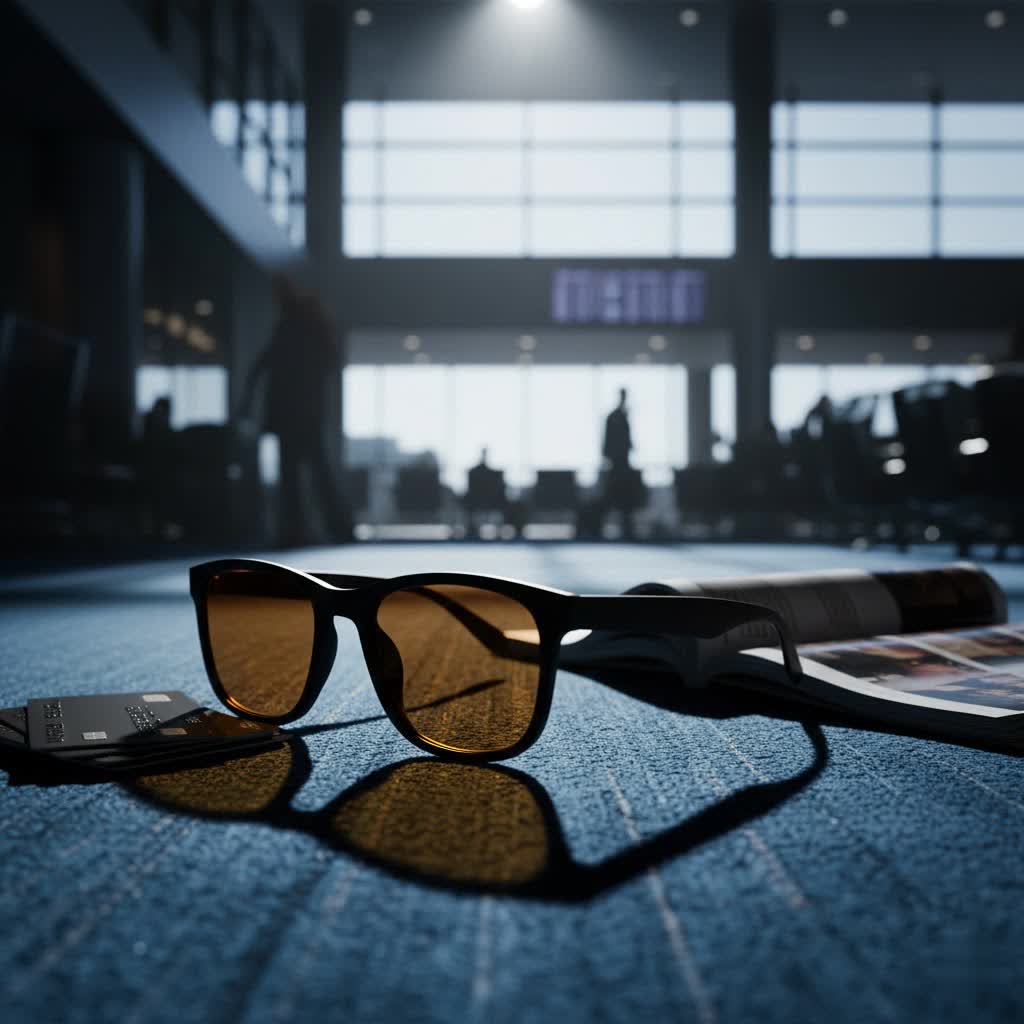
Gaming Glasses: All You Need to Know
Gaming glasses are more than just a fashion statement; they are engineered eyewear designed to address the specific visual challenges faced by gamers and anyone spending significant time in front of digital screens.
What are Gaming Glasses?
|
Our Picks for the Best Gaming Glasses in 2026
As an Amazon Associate I earn from qualifying purchases.
|
||
| Num | Product | Action |
|---|---|---|
| 1 | ANYLUV Blue Light Blocking Glasses Men Computer Gaming Glasses Lightweight Al-Mg Metal Anti Eyestrain Eye Protection |

|
| 2 | Blue Light Blocking Glasses - Fashion Square Eyeglasses, Anti UV Ray Computer Gaming Glasses Blue Blockers for Women/Men |
|
| 3 | Blue Light Blocking Glasses - Fashion Square Eyeglasses, Anti UV Ray Computer Gaming Glasses Blue Blockers for Women/Men |
|
| 4 | ANYLUV Blue Light Blocking Glasses Men Computer Gaming Glasses Lightweight Al-Mg Metal Anti Eyestrain Eye Protection |
|
| 5 | ANYLUV Blue Light Blocking Glasses Men Computer Gaming Glasses Lightweight Al-Mg Metal Anti Eyestrain Eye Protection |
|
| 6 | Blue Light Blocking Glasses - Fashion Square Eyeglasses, Anti UV Ray Computer Gaming Glasses Blue Blockers for Women/Men |
|
| 7 | Blue Light Blocking Glasses - Fashion Square Eyeglasses, Anti UV Ray Computer Gaming Glasses Blue Blockers for Women/Men |
|
| 8 | Blue Light Blocking Glasses - Fashion Square Eyeglasses, Anti UV Ray Computer Gaming Glasses Blue Blockers for Women/Men |
|
| 9 | Horus X • Blue Light Glasses Men Women - Blue Light Blocking Glasses for Screen Anti-Fatigue Eye Migraine - Gaming Glasses V3 |
|
| 10 | ANYLUV Blue Light Blocking Glasses Men Computer Gaming Glasses Lightweight Al-Mg Metal Anti Eyestrain Eye Protection |
|
Gaming glasses are specialized eyewear featuring lenses designed to filter or block harmful blue light emitted from digital screens, reduce glare, and often enhance contrast. While the concept of protective eyewear for screens has evolved, modern gaming glasses specifically target the needs of gamers, offering features like comfortable frames for long sessions and specific lens tints to optimize visual clarity during gameplay. They are essentially an evolution of “computer glasses,” tailored for the intense visual demands of gaming.
Why Use Gaming Glasses?
The benefits of incorporating gaming glasses into your setup extend beyond mere comfort, impacting both your well-being and in-game performance.
- Health Benefits: Prolonged exposure to blue light from screens can lead to digital eye strain (also known as computer vision syndrome), characterized by dry eyes, blurred vision, and headaches. Gaming glasses help mitigate these symptoms by reducing blue light exposure, potentially contributing to better sleep patterns as well.
- Performance Benefits: By reducing glare and enhancing contrast, gaming glasses can make on-screen details clearer, allowing for quicker reaction times and improved target acquisition. This heightened visual clarity can lead to better focus and sustained attention, crucial for competitive play.
- Experience Benefits: Ultimately, the goal is a more comfortable and enjoyable gaming experience. With reduced eye fatigue and improved visual comfort, gamers can play longer and more comfortably, fully immersing themselves in their favorite titles without the distraction of strained eyes.
Popular Types of Gaming Glasses on the Market
When you walk into a typical store, you’ll encounter various gaming glasses, primarily differentiated by their lens technology and frame design.
Classification by Lens Technology
The core of any gaming glass lies in its lenses, with different technologies offering distinct advantages.
- Blue Light Filtering Lenses: These are the most common type found in stores.
- Mechanism: They incorporate a special coating or material that absorbs or reflects a portion of the blue light spectrum.
- Pros: Significantly reduces eye strain, helps prevent digital fatigue, and can contribute to better sleep. Many offer UV protection as well.
- Cons: Some lenses, particularly those with a higher blue light blocking percentage (often amber-tinted), can alter color perception, which might be a minor adjustment for some users, though many gamers find the enhanced contrast beneficial.
- Photochromic (Transition) Lenses: While less common specifically for gaming, some general-purpose computer glasses available in stores offer this.
- Mechanism: These lenses automatically darken when exposed to UV light, useful for gamers who might also use their glasses outdoors.
- Pros: Versatility for both indoor screen use and outdoor sun protection.
- Cons: Can be more expensive and the transition speed isn’t always instant. Their primary benefit isn’t directly gaming-specific.
- Polarized Lenses: Primarily used to reduce glare from reflective surfaces like water or roads.
- Mechanism: Contains a special filter that blocks intense reflected light.
- Pros: Excellent for outdoor activities to reduce glare.
- Cons: Generally not recommended for gaming or computer use as they can interfere with LCD screens, making some areas appear distorted or black. You’ll rarely find these marketed as dedicated “gaming glasses” in typical stores for this reason.
Classification by Frame Style
The frame style impacts comfort, durability, and aesthetics, catering to diverse preferences and face shapes.
- Full-Frame Glasses:
- Pros: Offers maximum lens protection and a traditional look. Often provides a secure fit.
- Cons: Can sometimes feel heavier or restrict peripheral vision slightly, depending on the design.
- Half-Frame Glasses:
- Pros: Lighter than full-frame options, offering a more modern aesthetic. Can provide a less obstructed lower field of vision.
- Cons: Lenses are partially exposed, potentially making them more vulnerable to damage if not handled carefully.
- Rimless Glasses:
- Pros: Extremely lightweight and provide an expansive field of vision, making them almost unnoticeable during long gaming sessions.
- Cons: Lenses are fully exposed, making them the most delicate option and prone to scratches or breakage.
Comparison of Popular Gaming Glasses Brands
Typical stores like Best Buy and Walmart often stock a range of brands, from well-known gaming eyewear specialists to more general blue light blocking options. Here’s a comparative look at brands you might encounter:
| Feature | GUNNAR | Kreedom | Cyxus | Newbee Fashion |
|---|---|---|---|---|
| Availability | Best Buy, online retailers, specialty stores | Best Buy (often clearance), online retailers | Walmart, Amazon, online retailers | Walmart, Amazon, online retailers |
| Focus | Dedicated gaming/computer eyewear | Budget-friendly gaming/shield glasses | General blue light blocking/computer glasses | Fashion-forward blue light blocking glasses |
| Lens Tints | Amber (high blue light block), Clear (lower) | Amber, Clear | Clear, subtle tint | Clear, subtle tint |
| Blue Light Block | High (Amber lenses), Moderate (Clear lenses) | Moderate to High | Moderate | Moderate |
| Price Range | Mid to High ($30 – $100+) | Low to Mid ($10 – $50) | Low to Mid ($10 – $30) | Low to Mid ($10 – $30) |
| Key Features | Patented lens technology, contrast enhancement, wide range of styles, prescription options | Affordable, shield-style designs, basic blue light filtration | Anti-eyestrain, UV protection, various frame styles, often for general computer use | Fashionable designs, anti-glare, lightweight |
| Pros | Clinically proven benefits (for some lines), durable, excellent contrast, specific gaming designs | Very accessible price point, good entry-level option | Effective for general blue light reduction, wide availability | Stylish, good for casual users, anti-glare coatings |
| Cons | Higher price point, amber tint can alter colors | Quality can vary, less specialized features | May not offer the same level of contrast enhancement as dedicated gaming brands | Primarily focuses on aesthetics, less specialized for intensive gaming sessions |
“The landscape of gaming glasses has broadened considerably. What was once a niche product is now a mainstream solution, with various brands making blue light protection accessible to every gamer, regardless of budget or preference.”
Guide to Choosing Suitable Gaming Glasses (Buying Guide)
Selecting the right pair of gaming glasses involves considering your personal needs and preferences. A thoughtful choice will significantly enhance your long-term comfort and gaming performance.
Determine Your Usage Needs
Before diving into features, consider how you game and what issues you’re trying to solve.
- What Game Genres Do You Play?
- FPS/Competitive Games: You might prioritize maximum clarity and contrast. Amber lenses can highlight enemies against backgrounds, but clear lenses maintain true color.
- RPG/Casual Games: Comfort for extended sessions and general eye strain relief might be your primary concern.
- How Long Do You Play Each Day?
- Short Sessions (1-2 hours): Basic blue light blocking glasses might suffice.
- Long Sessions (3+ hours): Invest in higher-quality lenses with significant blue light filtration and comfortable, durable frames to prevent fatigue.
- Do You Have Existing Eye Conditions (e.g., Nearsightedness, Astigmatism)?
- If you wear prescription glasses, look for brands that offer prescription gaming lenses or fit over your existing glasses. Zenni Optical is an example of a retailer that can customize lenses with your prescription.
Choose Suitable Lenses
The lens is the most critical component, directly affecting visual quality and protection.
- Blue Light Filtration Level:
- Amber Tints (e.g., GUNNAR’s Amber Max): Blocks a higher percentage of blue light (often 65-90%+). Ideal for long, intensive sessions and evening play to support melatonin production. Colors will appear warmer.
- Clear Lenses (e.g., GUNNAR’s Clear, many general computer glasses): Blocks a moderate percentage of blue light (typically 30-50%). Good for maintaining accurate color representation during the day, suitable for graphic designers or those who dislike color shift.
- Lens Material:
- Polycarbonate: Lightweight, impact-resistant, and commonly used. A good balance of durability and comfort.
- Trivex: Even lighter and more impact-resistant than polycarbonate, with superior optical clarity, though often more expensive.
- Coatings:
- Anti-Reflective (AR) Coating: Reduces glare from screens and ambient light, crucial for visual comfort. Most gaming glasses come with this.
- Anti-Scratch Coating: Increases the durability of the lenses.
- Anti-Smudge/Oleophobic Coating: Repels oils and fingerprints, making cleaning easier.
Choose Suitable Frames
Comfort and fit are paramount for eyewear worn for hours.
- Frame Material:
- Plastic/Acetate: Lightweight, diverse in style and color, and often more affordable.
- Metal: More durable, often thinner, and can offer a more premium feel.
- TR90 (Thermoplastic Polyamide): Extremely flexible, lightweight, and durable, excellent for comfort during long wear, especially with headsets.
- Frame Style: Choose a style that complements your face shape and personal aesthetic. Consider how they sit with your gaming headset – some frames are designed with thinner temples to avoid pressure points.
- Frame Size: Ensure the glasses fit snugly without pinching or slipping. The width should match your face, and the temples should extend comfortably over your ears. Trying them on in-store is highly recommended.
Where to Buy Gaming Glasses Reliably?
When purchasing gaming glasses, reliability and customer support are key.
Professional Opticians
- Pros: Expert advice, precise fitting, access to prescription options, high-quality lens materials, and professional adjustments. You can often get blue light filtering added to custom prescription lenses.
- Cons: Generally higher price points compared to mass-market options. Fewer specific “gaming” branded frames.
Major Electronics Retailers & E-commerce Platforms
- Pros:
- Best Buy: Offers a dedicated section for gaming accessories, including glasses from brands like GUNNAR and Kreedom. Allows for in-person try-on.
- Walmart: Carries a range of affordable blue light blocking and gaming glasses, including brands like Cyxus and Newbee Fashion. Good for budget-conscious buyers.
- Amazon: Vast selection, competitive pricing, and user reviews can guide choices. However, quality can vary greatly among sellers.
- Zenni Optical: Specializes in online eyewear with extensive customization, including prescription gaming lenses and headset-compatible frames. While online, their selection mirrors what many might seek in a physical store.
- Cons: Limited in-person fitting and advice (especially for online-only retailers). Quality can vary across brands.
Frequently Asked Questions
What’s the main difference between “gaming glasses” and regular “blue light blocking glasses” found in stores?
While both aim to reduce blue light exposure, “gaming glasses” often feature enhanced contrast, specific lens tints (like amber) for visual acuity in gaming environments, and frames designed for comfort during long sessions, sometimes with headset compatibility. Regular blue light glasses might focus solely on blue light filtration without these additional gaming-specific optimizations.
Can gaming glasses really improve my performance?
Yes, indirectly. By reducing eye strain, glare, and fatigue, gaming glasses can help you maintain focus, improve visual clarity, and potentially react faster over extended play periods, leading to more consistent and comfortable performance.
Do I need a prescription to use gaming glasses?
No, most gaming glasses sold in typical stores are non-prescription, suitable for anyone. However, some brands and online retailers offer the option to add blue light filtering to your existing prescription.
Are amber-tinted lenses always better than clear ones for gaming?
Not necessarily. Amber lenses block more blue light and enhance contrast, which many gamers prefer for competitive play and evening sessions. However, clear lenses provide moderate blue light protection while maintaining true color representation, which is better for tasks requiring color accuracy or for those who dislike the color shift of amber lenses.
How often should I clean my gaming glasses?
It’s recommended to clean your gaming glasses daily, or as needed, using a microfiber cloth and a gentle lens cleaning spray to remove smudges, dust, and oils that can obstruct your view.
Can kids use gaming glasses too?
Absolutely. With children spending increasing amounts of time on screens for gaming and education, kid-sized blue light blocking glasses are widely available in stores to help protect their developing eyes from digital eye strain.
