As an avid gamer or a professional spending countless hours in front of screens, you’ve likely experienced the tell-tale signs of digital eye strain: dry eyes, blurred vision, headaches, and general discomfort. These common issues can significantly diminish your gaming performance and overall well-being. This comprehensive guide will delve into the world of Tinted Gaming Glasses, exploring how they work, their numerous benefits, the various types available, and how to choose the perfect pair to safeguard your eyes and elevate your digital experience.
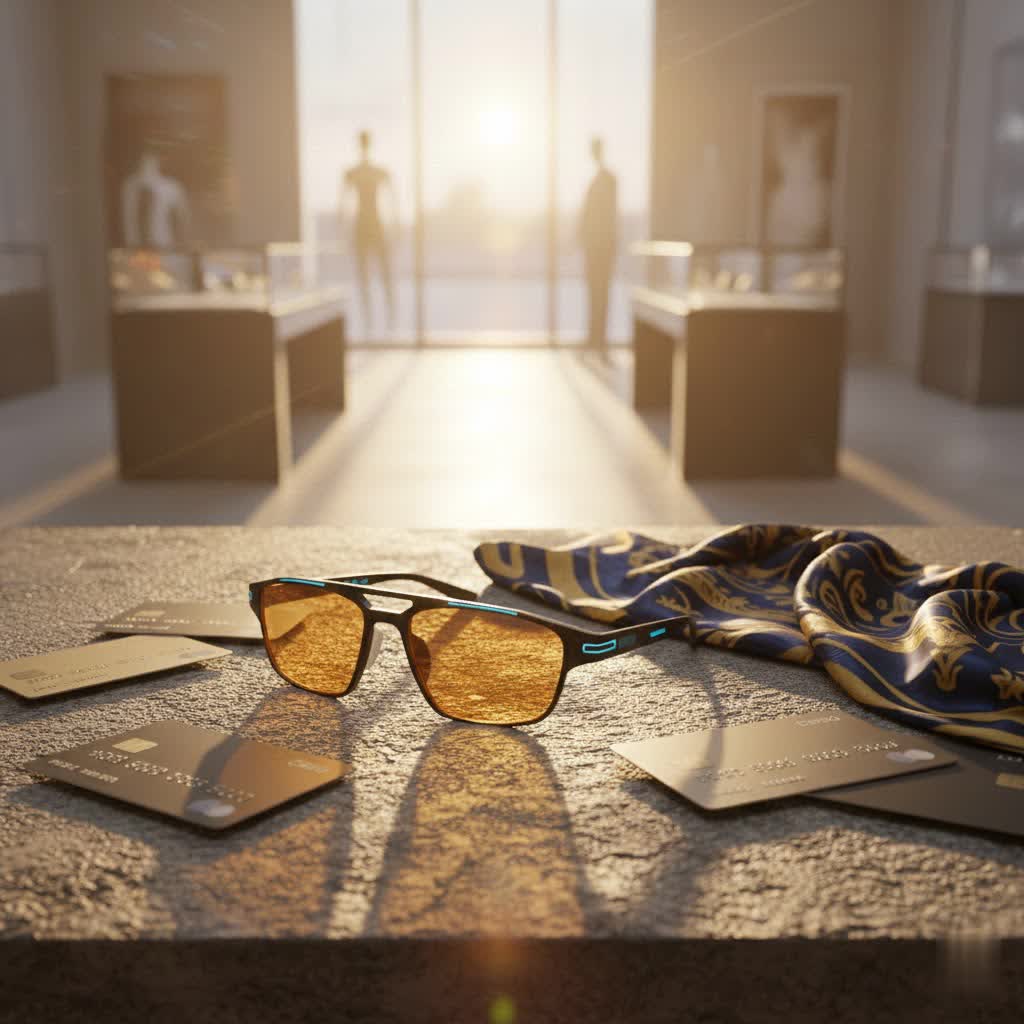
Tinted Gaming Glasses: Everything You Need to Know
What are Tinted Gaming Glasses?
|
Our Picks for the Best Gaming Glasses in 2026
As an Amazon Associate I earn from qualifying purchases.
|
||
| Num | Product | Action |
|---|---|---|
| 1 | ANYLUV Blue Light Blocking Glasses Men Computer Gaming Glasses Lightweight Al-Mg Metal Anti Eyestrain Eye Protection |

|
| 2 | Blue Light Blocking Glasses - Fashion Square Eyeglasses, Anti UV Ray Computer Gaming Glasses Blue Blockers for Women/Men |
|
| 3 | Horus X • Blue Light Glasses Men Women - Blue Light Blocking Glasses for Screen Anti-Fatigue Eye Migraine - Gaming Glasses V3 |
|
| 4 | ANYLUV Blue Light Blocking Glasses Men Computer Gaming Glasses Lightweight Al-Mg Metal Anti Eyestrain Eye Protection |
|
| 5 | Blue Light Blocking Glasses - Fashion Square Eyeglasses, Anti UV Ray Computer Gaming Glasses Blue Blockers for Women/Men |
|
| 6 | Blue Light Blocking Glasses - Fashion Square Eyeglasses, Anti UV Ray Computer Gaming Glasses Blue Blockers for Women/Men |
|
| 7 | ANYLUV Blue Light Blocking Glasses Men Computer Gaming Glasses Lightweight Al-Mg Metal Anti Eyestrain Eye Protection |
|
| 8 | ANYLUV Blue Light Blocking Glasses Men Computer Gaming Glasses Lightweight Al-Mg Metal Anti Eyestrain Eye Protection |
|
| 9 | Blue Light Blocking Glasses - Fashion Square Eyeglasses, Anti UV Ray Computer Gaming Glasses Blue Blockers for Women/Men |
|
| 10 | Blue Light Blocking Glasses - Fashion Square Eyeglasses, Anti UV Ray Computer Gaming Glasses Blue Blockers for Women/Men |
|
Tinted gaming glasses are specialized eyewear designed to mitigate the harmful effects of prolonged screen exposure. Unlike regular eyeglasses, their lenses incorporate specific tints—often yellow, amber, or sometimes even a subtle clear hue—along with advanced coatings to filter out particular wavelengths of light, most notably high-energy visible (HEV) blue light emitted by digital screens. The goal is to reduce eye strain, improve visual comfort, and enhance focus during extended gaming sessions or computer use. They have evolved from basic computer glasses, becoming a sophisticated tool tailored for the unique visual demands of gamers.
Why Should You Use Tinted Gaming Glasses?
The benefits of incorporating tinted gaming glasses into your setup extend beyond mere comfort, impacting both your physical health and your in-game performance.
-
Health Benefits:
- Reduced Eye Strain and Fatigue: Prolonged exposure to blue light can lead to digital eye strain, characterized by dry, itchy eyes, blurry vision, and headaches. Tinted lenses work by filtering out a significant portion of this blue light, easing the burden on your eyes and allowing for more comfortable, extended screen time.
- Protection Against Harmful Blue Light: While some debate exists on the long-term ocular damage from blue light, it is a known contributor to eye strain. Tinted gaming glasses act as a barrier, reducing the amount of potentially irritating blue light reaching your eyes.
- Improved Sleep Quality: Blue light, especially when encountered late at night, can suppress the production of melatonin, a hormone crucial for regulating sleep cycles. By filtering this light, tinted gaming glasses can help maintain your natural circadian rhythm, making it easier to fall asleep and achieve more restful sleep after a late-night session.
-
Performance Benefits:
- Enhanced Contrast and Clarity: Yellow and amber tints are particularly adept at boosting contrast, making on-screen details appear sharper and more defined, especially in dimly lit game environments. This can provide a competitive edge in fast-paced games where spotting subtle details is critical.
- Reduced Glare and Reflections: Many tinted gaming glasses come with anti-reflective coatings that minimize distracting glare from your screen and surrounding light sources, ensuring a clearer, unobstructed view of the action.
- Increased Focus and Endurance: By alleviating eye strain and improving visual clarity, these glasses help you maintain focus for longer periods, reducing mental fatigue and allowing you to stay immersed in your game without discomfort.
-
Experience Benefits:
- More Comfortable Gaming: With reduced strain and improved visual comfort, gaming sessions become more enjoyable, allowing you to immerse yourself fully without the distraction of tired or irritated eyes.
- Extended Playtime: The protective qualities of tinted gaming glasses enable you to engage in longer gaming marathons with less discomfort, supporting extended gameplay without compromising eye health.
Popular Types of Tinted Gaming Glasses
Understanding the different types of tinted gaming glasses, particularly by their lens technology and tint color, is crucial for selecting a pair that perfectly matches your needs.
Classification by Lens Technology (Tint Color)
The primary distinction among gaming glasses often lies in the color and density of their tint, which directly correlates with the amount of blue light filtered.
-
Yellow/Amber Tinted Lenses:
- Mechanism: These lenses are the most recognizable in the gaming world, featuring a distinct yellow or amber hue. They are designed to block a higher percentage of blue light, typically ranging from 50% to 90%, by absorbing or reflecting these wavelengths.
- Pros: They excel at enhancing contrast, making subtle details “pop” in low-light conditions, which is invaluable for certain game genres. They provide significant blue light reduction, making them ideal for long gaming sessions, dimly lit rooms, and nighttime play, considerably reducing eye strain for sensitive eyes.
- Cons: The noticeable tint can cause some color distortion, making it tricky to differentiate between certain colors (e.g., differentiating red from black or blue from green), which might be a drawback for games where color accuracy is paramount or for graphic designers.
-
Clear Lenses (with Blue Light Filter):
- Mechanism: While appearing largely colorless, these lenses incorporate advanced coatings that filter out a moderate percentage of blue light, usually between 10% and 50%.
- Pros: Their main advantage is maintaining true color accuracy, making them suitable for gamers who prioritize unaltered visual experiences, graphic designers, or those who game in brightly lit environments. They also offer a more subtle, professional aesthetic.
- Cons: They offer less blue light protection compared to darker tints, meaning they might not be sufficient for very long sessions or for individuals highly sensitive to blue light.
-
Orange/Red Tinted Lenses:
- Mechanism: These lenses have the deepest tints and are engineered to block the highest percentage of blue light, often approaching 100% across critical wavelengths.
- Pros: They offer maximum blue light protection, making them highly effective for preventing melatonin suppression before sleep.
- Cons: Due to extreme color distortion, they are generally not recommended for active gaming where color accuracy is important. They are primarily used for pre-sleep screen time rather than during gameplay.
-
Other Less Common Tints:
- While not primary for general gaming, other tints exist for specific uses: Brown lenses can improve contrast in sunny conditions, Gray lenses are good for general use and reducing eye fatigue, and Rose/Pink tints may enhance depth perception and can offer relief for some individuals with light sensitivity or migraines.
Classification by Frame Style
While lens tint is crucial, the frame style also plays a significant role in comfort and overall experience.
- Full-Frame Glasses: These frames completely encase the lenses, offering maximum durability and a wide range of aesthetic designs. They are generally robust but can be heavier and might slightly obstruct peripheral vision depending on the design.
- Half-Frame Glasses: With only the top or bottom portion of the lens supported by the frame, these are lighter and offer a less obtrusive feel. They provide a balance between durability and a minimalist aesthetic.
- Rimless Glasses: These frames offer the lightest weight and the widest, most unobstructed field of view. However, they are typically the most fragile due to the exposed lens edges.
Comparison of Popular Tinted Gaming Glasses Brands
The market offers several reputable brands, each with its unique strengths. Here’s a detailed comparison of some well-known names in tinted gaming glasses:
Detailed Comparison
| Brand | Key Features | Blue Light Blockage (Approx.) | Pros | Cons | Price Range (General) |
|---|---|---|---|---|---|
| Gunnar | Iconic amber lenses, clear options, “Gunnar-Focus” (slight magnification), anti-glare coatings, wide range of frame styles, prescription available. | Amber: 65% Clear: 35% | Excellent for intense, long sessions; enhances contrast; well-regarded in esports. | Slight magnification can be disorienting for some; amber tint causes color shift. | Mid-High |
| Horus X | Focus on high blue light filtration, both clear and yellow lenses, often marketed for endurance and protection. | Yellow: up to 90% Clear: up to 50% | Strong blue light protection; good value. | Some clear lenses may have noticeable color rendering issues. | Mid |
| Zenni Blokz | Affordable, customizable with prescriptions, various frame styles and lens options (Blokz technology). | Varies by lens | Highly accessible; prescription-friendly; good entry point. | May not offer the same level of specialized gaming features as premium brands. | Low-Mid |
| Jins Screen | Three tiers of blue light filtration (Daily, Heavy, Invincible), stylish Japanese-designed frames, durable coatings (Invincible tier). | Daily: 25% Heavy: 40% Invincible: 12% | Aesthetically pleasing; good for everyday use; quality frame options. | Lower blue light blockage than some gaming-specific brands; higher price for premium frames. | Mid-High |
| ANYLUV | Offers multiple blue light blocking rates in both low-color distortion and amber-tinted lenses, often seen on e-commerce platforms. | 45% (low distortion) 65% (amber) | Affordable; good range of tint options. | Less established brand recognition; long-term durability may vary. | Low |
“The right tint can be a game-changer, not just for eye comfort but for competitive advantage. The subtle shift in color perception is a small price to pay for sharper vision and reduced fatigue during critical moments.” – Dr. Alex Chen, Optometrist and Esports Vision Specialist
How to Choose the Right Tinted Gaming Glasses (Buying Guide)
Selecting the ideal pair of tinted gaming glasses requires a thoughtful evaluation of your personal needs and preferences.
Determine Your Usage Needs
Before diving into specifications, consider how and when you’ll be using your glasses.
- Game Genre: Do you primarily play fast-paced FPS games where contrast is critical for spotting enemies, or RPGs where color accuracy and immersion are key? For competitive genres, a yellow/amber tint might offer an advantage, while RPG players might prefer clearer lenses.
- Daily Playtime: If you game for many hours daily, or have extended screen time for work, higher blue light filtration (darker tints) may be more beneficial. Casual gamers might find clear blue light filtering lenses sufficient.
- Existing Eye Conditions: If you have prescription needs (nearsightedness, farsightedness, astigmatism), ensure the brand offers prescription lens options or consult with an optician. If you’re particularly sensitive to bright lights or suffer from migraines, certain tints (like rose) might offer additional relief.
- Gaming Environment: Do you game in a brightly lit room during the day, or in a dimly lit space at night? Clearer lenses are better for bright conditions to maintain contrast, while yellow/amber tints excel in low light.
Selecting the Right Lens
The lens is the heart of your gaming glasses, providing the core benefits.
- Blue Light Filtering Level: This is directly tied to the tint density. Generally, the darker the tint (e.g., amber), the higher the percentage of blue light blocked. Choose a level that matches your sensitivity and usage patterns.
- Lens Material: Look for durable and lightweight materials like polycarbonate, which offer impact resistance and comfort for long wear. High-quality materials also ensure better optical clarity.
- Lens Coatings: Prioritize lenses with anti-reflective (AR) coatings to eliminate glare and reflections, anti-scratch coatings for durability, and anti-smudge coatings for easier cleaning. UV protection is also a valuable addition.
Selecting the Right Frame
Comfort and compatibility are paramount for frames, especially during long gaming sessions.
- Frame Material: Lightweight and flexible materials like TR90 plastic are excellent choices, offering durability without adding pressure. Metal frames can also be sturdy but may be heavier.
- Frame Style: Consider a style that fits comfortably with your gaming headset. Some frames feature slim temples to prevent pressure points. Wraparound designs can offer wider peripheral vision and block light from all angles, further reducing glare.
- Frame Size and Fit: A well-fitting frame ensures the glasses stay in place without slipping or pinching. Measure your face or try on different sizes to find a snug yet comfortable fit that doesn’t cause discomfort behind the ears or on the nose.
Where to Buy Quality Tinted Gaming Glasses?
Once you’ve decided on the features you need, knowing where to purchase your glasses is the next step.
Specialized Eyewear Stores
- Pros: Professional opticians can provide personalized advice, conduct eye exams, and ensure a precise fit. You can try on various styles and brands, and often get prescription lenses integrated. Quality assurance and after-sales support are typically high.
- Cons: Prices may be higher due to personalized service and brand markups. The selection of gaming-specific frames might be narrower than online.
Online Retailers and Brand Websites
- Pros: Offer immense convenience, competitive pricing, and a vast selection of brands, styles, and tint options. Customer reviews and detailed product specifications are readily available, making price and feature comparisons straightforward. Many brands have virtual try-on tools.
- Cons: You can’t physically try on the glasses before purchase, making fit and comfort a gamble. Assessing the true quality of materials and coatings can be harder without direct inspection. Returns can sometimes be a hassle.
Conclusion
Tinted gaming glasses are more than just a trend; they are an essential tool for any serious gamer or individual with extensive screen time. By strategically filtering harmful blue light, enhancing contrast, and reducing glare, these specialized glasses offer a wealth of benefits, from protecting your long-term eye health and improving sleep quality to significantly boosting your in-game performance and overall comfort. Choosing the right pair involves understanding the nuances of different tints, lens technologies, and frame styles, all while aligning them with your unique gaming habits and personal needs. Invest in your vision, and you’ll unlock a more comfortable, focused, and enjoyable gaming experience. What difference could a new pair of tinted gaming glasses make to your next session?
Frequently Asked Questions
Are clear gaming glasses as effective as tinted ones?
Clear gaming glasses do filter blue light through special coatings, typically blocking 10-50% of harmful blue light. However, yellow or amber tinted lenses are generally more effective, blocking 50-90% or more, making them superior for intense blue light exposure and contrast enhancement.
Do tinted gaming glasses distort colors significantly?
Yellow or amber tinted gaming glasses can cause noticeable color distortion, making certain hues appear altered. This trade-off is often accepted for enhanced contrast and superior blue light filtration. Clear blue light filtering lenses, conversely, aim to minimize color distortion while offering moderate protection.
Can I wear tinted gaming glasses all day?
Whether you can wear tinted gaming glasses all day depends on the tint. Lighter, clear blue light filtering lenses are suitable for all-day wear as they cause minimal color shift. Darker yellow or amber tints might be too strong for continuous wear outside of gaming, especially if color accuracy is important for your other activities.
Are tinted gaming glasses only for gamers?
Absolutely not. While branded for gamers, anyone who spends extended periods in front of digital screens—such as office workers, students, graphic designers, or streamers—can benefit from tinted gaming glasses to reduce eye strain, improve visual comfort, and mitigate the effects of blue light exposure.
What is “Gunnar-Focus” and is it suitable for everyone?
“Gunnar-Focus” refers to a slight magnifying factor found in some Gunnar gaming glasses. This subtle magnification is designed to reduce eye strain by making on-screen content appear clearer. However, it can be disorienting for some users, particularly those who do not require reading magnification or are sensitive to changes in visual perception.
